Puran Poli Recipe for Sankranti (Maharashtrian Jaggery-Heavy) | Soft, Thin & Perfect

Puran Poli Recipe for Sankranti

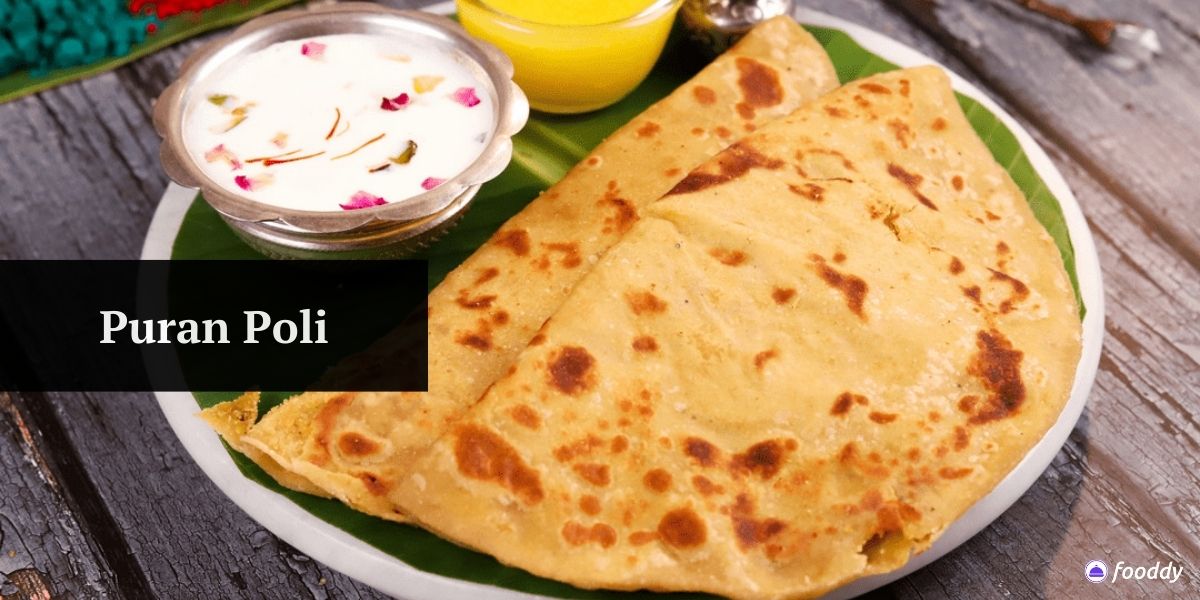
Sankranti in Maharashtra isn’t just a date on the calendar—it’s that cozy festival feeling of sunshine, sesame sweets, and a kitchen that smells like ghee. If you want one traditional sweet dish that feels instantly festive, Puran Poli is the perfect pick. If Sankranti in your home means sweet aromas, warm ghee, and festive food, this Puran Poli Recipe for Sankranti is the perfect traditional treat to make. In Maharashtrian homes, puran poli is a soft, thin poli stuffed with a rich, jaggery-heavy chana dal filling and lightly scented with cardamom (and sometimes nutmeg). It’s comforting, celebration-worthy, and surprisingly doable at home when you follow the right texture checks for puran and dough.

In simple words, puran poli is a soft, thin flatbread (poli) stuffed with a sweet lentil filling (puran). In the Maharashtrian classic version, the puran is jaggery-forward, which gives it that deep, rich sweetness that people associate with Sankranti meals..

Puran Poli Recipe in Short 

If you’re in a hurry and want the entire process in one quick view, this section is your shortcut. You can read it once, then scroll down to the step-by-step method for exact tips and texture checks.

  • Cook & drain chana dal until soft
  • Cook dal + jaggery until thick and smooth (this is the puran)
  • Knead a soft dough, then rest it
  • Stuff, roll gently, roast with ghee
  • Serve hot (extra ghee is the whole point!)

Recipe of Puran Poli in English 

This recipe card gives you a practical overview of how long it takes, how many polys you’ll get, and what to expect. It’s useful if you’re planning Sankranti cooking around other dishes.

Item Details
Prep time 25 minutes
Cook time 35–45 minutes
Rest time 30–60 minutes
Total time ~1 hour 30 minutes
Yield 10–12 medium puran polis
Style Maharashtrian classic (jaggery-heavy)


Puran Poli Recipe for Sankranti Ingredients (Jaggery-Heavy)

Before you start cooking, keep everything ready. Puran poli becomes much easier when you don’t have to stop in between to measure ingredients. Also, Sankranti cooking feels smoother when the kitchen setup is sorted first.

For Puran (Stuffing)

  • 1 cup chana dal (split Bengal gram)
  • 1 to 1¼ cups jaggery (grated) (this is the jaggery-heavy part)
  • ½ tsp cardamom powder
  • ¼ tsp nutmeg powder (optional, but very traditional)
  • 1–2 tbsp ghee
  • Pinch of salt
  • Optional: ½ tsp fennel powder (adds a warm, festive aroma)

Also Read – Sakinalu Recipe

For Poli (Outer Dough)

  • 2 cups wheat flour (atta)
  • ½ cup maida (optional; helps you roll thinner and keeps poli softer)
  • 2 tbsp oil or ghee
  • ¼ tsp turmeric (optional)
  • ¼ tsp salt
  • Water as needed (warm water recommended)

Note: You can make it with 100% wheat flour too. If you do that, keep the dough extra soft and don’t skip the resting step.

Puran Poli Recipe for Sankranti Step by Step 

This section breaks down the recipe into clear steps, allowing you to cook with confidence. The key idea is simple: make thick puran, soft dough, and roast gently with ghee.

Step 1 – Cook Chana Dal 

This step matters because the dal texture decides whether your stuffing will become smooth or grainy. You want dal that’s fully cooked and mashable, but not swimming in water.

  1. Wash chana dal 2–3 times.
  2. Pressure cook with enough water until the dal is soft (it should mash easily).
  3. Drain the dal completely and let it sit in the strainer for 10 minutes.

Why draining is important:
If dal holds extra water, your puran becomes sticky, and sticky puran is the main reason polis tear or leak while rolling.

Step 2 – Make Jaggery-Heavy Puran 

This is the heart of the recipe. Puran should taste deep and festive—sweet, slightly earthy from dal, and beautifully aromatic from cardamom and nutmeg.

  1. Add drained dal and jaggery to a heavy pan.
  2. Cook on low–medium heat, stirring often.
  3. At first, it will become loose because jaggery melts—keep cooking.
  4. Continue until it turns thick and starts leaving the sides of the pan.
  5. Add ghee, cardamom powder, nutmeg, and a pinch of salt.
  6. Cook 2 minutes more, then cool completely.
  7. Mash very well (or blend lightly) to make it smooth.

Puran Consistency Check 

You’ll know puran is perfect when:

  • It forms a soft ball,
  • it doesn’t feel wet,
  • and it doesn’t stick heavily to your fingers.

Fix if needed:

  • If it’s sticky → cook longer, cool again
  • If it’s too dry → add 1 tsp ghee and mash

Step 3 – Make the Dough 

The dough isn’t just a covering—it decides how soft your poli feels when you bite it. A soft, rested dough also makes rolling much easier.

  1. Mix wheat flour (+ maida), salt, and turmeric (optional).
  2. Add oil/ghee and rub it into the flour.
  3. Add warm water slowly and knead into a soft, smooth dough.
  4. Knead 6–8 minutes until elastic.
  5. Cover and rest for 30–60 minutes.

Dough Texture Goal 

  • Softer than chapati dough
  • Smooth and pliable
  • Not wet or sticky

If it feels tight after resting, knead in 1–2 tsp water and rest again for 10 minutes.

Step 4 – Stuff & Seal 

Stuffing is where you build the poli. If sealing is done properly, rolling becomes stress-free. If sealing is weak, puran will escape, and the poli will tear.

  1. Divide the dough into equal balls.
  2. Divide puran into slightly smaller balls.
  3. Flatten one dough ball, keep edges thinner.
  4. Place puran in the center.
  5. Bring edges together and seal neatly.
  6. Smooth into a round ball.

Small tip: Don’t trap air inside. A tight seal gives you a cleaner roll.

 Step 5 – Roll Thin 

Rolling puran poli is different from rolling chapati—here you have a soft filling inside. The goal is to roll thin with patience, not pressure.

  1. Lightly dust the stuffed ball in flour.
  2. Place seam side down.
  3. Roll gently from the center outward.
  4. Rotate after every 1–2 rolls.

Rolling Tips 

  • Use gentle pressure and keep rotating
  • Avoid too much dry flour (it makes poli dry)
  • If you see a crack, pinch and seal immediately
  • Start slightly thicker if you’re a beginner—thin comes naturally after 2–3 polis

Step 6 – Roast on Tawa With Ghee 

Roasting is where puran poli becomes truly delicious. Ghee is not optional here—it’s what gives softness, shine, and that festival aroma.

  1. Heat a tawa on a medium flame.
  2. Place the poli and cook until small bubbles appear.
  3. Flip and apply ghee.
  4. Flip again, apply a little more ghee.
  5. Roast until light golden spots appear.

Important: Don’t over-roast. Too much roasting dries it out.

Puran Poli Recipe With Sugar 

Some people prefer sugar, or they don’t have jaggery at home. This alternative exists, but since you want the Maharashtrian classic, think of this as a backup option.

  • Replace jaggery with ¾ cup sugar for 1 cup of dal
  • Cook the same way until thick
  • Add cardamom and nutmeg at the end for aroma

10 Lines on Puran Poli 

This section is useful if you want a short intro, snippet, or quick facts in your blog.

  1. Puran poli is a traditional sweet stuffed flatbread.
  2. The stuffing is called puran and is made from cooked chana dal.
  3. Jaggery is used to create a rich, festive sweetness.
  4. Cardamom gives puran poli its signature aroma.
  5. Nutmeg is often added in Maharashtrian homes for a classic taste.
  6. The outer dough is made from wheat flour and rested for softness.
  7. Puran poli is rolled thin and roasted on a tawa.
  8. Ghee makes it soft, rich, and flavorful.
  9. It tastes best hot and fresh.
  10. It’s a popular choice for Sankranti meals and celebrations.

Serving Ideas 

Puran poli can be served in different ways depending on your family style. This section helps readers choose what feels best for them.

  • Classic: Hot puran poli with ghee on top
  • Comfort style: With warm milk
  • Festive plate: Alongside other dishes for a full Sankranti meal
  • Kid-friendly: Cut into triangles like sweet bites

Common Mistakes & Quick Fixes 

If this is your first time, don’t worry—most issues have simple fixes. This section helps you recover quickly without starting over.

Puran leaks while rolling

Cause: puran too wet
Fix: cook longer until thick and cool fully

Poli turns hard

Cause: dough stiff or overcooked
Fix: softer dough + medium flame + ghee while roasting

Poli tears while rolling

Cause: seal weak or dough too tight
Fix: seal better, rest dough longer, roll gently

Poli feels thick

Cause: pressure too heavy
Fix: lighter hands + more rotation while rolling

Make-Ahead Plan for Sankranti 

This is for people who want Sankranti cooking to feel easy. When you prep a little earlier, the festival day becomes smoother.

Night before

  • Cook and drain the dal
  • Grate jaggery and keep spices ready
  • Knead dough and keep covered (or refrigerate)

Sankranti morning

  • Cook puran (10–15 minutes)
  • Roll and roast (20–30 minutes)
  • Serve hot with ghee

Puran Poli Price 

Many people search for “puran poli price” when deciding whether to buy or make it. This table helps set expectations.

Type Typical Price Range (India)
Local sweet shop (per piece) ₹30–₹80
Premium handmade packs (2 pieces) ₹150–₹400
Online packs (6–10 pieces) ₹250–₹600
Restaurant dessert serving ₹120–₹250


Conclusion for Puran Poli Recipe for Sankranti 

This Maharashtrian jaggery-heavy puran poli recipe for Sankranti is all about balance: thickholes, thick puran, soft dough, gentle rolling, and ghee at the right time. Once you get the first two polis right, the rest become easy—and the taste is exactly what Sankranti should feel like: warm, festive, and satisfying.

This Puran Poli Recipe is all about getting three things right: thick, jaggery-rich puran, soft rested dough, and gentle roasting with ghee. Once you nail the first couple of polis, the rest becomes easy and genuinely enjoyable. Serve it hot with a glossy ghee finish, and you’ll have a Sankranti sweet that tastes festive, comforting, and completely homemade


Sakinalu Recipe | Crispy Andhra Sankranti Snack for 2026

Sakinalu Recipe: Step-by-Step Andhra Sankranti Snack

Sakinalu (also called Chakinalu / Chekkilalu in some homes) is one of the most-loved Sankranti “palaharam” snacks from Telangana/Andhra—thin, spiral, deep-fried circles that stay crispy for days and taste perfect with evening tea. The flavor is simple: nutty sesame, gentle heat (if you make erra/karam sakinalu), and that signature crunch that comes from the right rice-flour texture. This post keeps everything scannable, beginner-friendly, and practical, so you can confidently make the best Sakinalu recipe for Sankranti at home.

If your Sakinalu ever turns hard, too oily, or breaks while frying, it’s usually because of these 3 things:

  • The rice flour is not fine enough
  • The dough is too wet or too dry
  • The shaped spirals weren’t dried properly before frying

Quick Takeaways 

  • Use fine homemade rice flour for best crispness (store-bought works if fine).
  • Follow a balanced rice flour: sesame ratio (start with 3:1 if you’re new).
  • Dough should be soft and pliable, not watery.
  • Shape on a clean cotton cloth and dry for 30–120 minutes before frying.
  • Fry on steady medium heat until light golden and fully crisp.

Recipe Snapshot

Detail Info
Target keyword Sakinalu Recipe – Crispy Andhra Sankranti Snack
Prep time 20–30 min (plus flour prep if homemade)
Drying time 30–120 min (important!)
Frying time 15–25 min (batch frying)
Yield ~20 medium Sakinalu (depends on size)
Taste nutty, crispy, lightly spiced
Best for Sankranti snack box, gifting, tea-time


Sakinalu Recipe Ingredients 

The base is rice flour + sesame + salt, and you can keep it plain or make it spicy.

Ingredients Table

Ingredient Quantity (beginner-friendly) Notes
Rice flour (fine) 3 cups Homemade preferred
Sesame seeds (nuvvulu) 1 cup Reduce to ¾ cup if shaping is difficult
Ajwain (oma) 1½–2 tsp Adds aroma + digestibility
Cumin (jeelakara) 1 tsp Traditional flavor
Salt 2–3 tsp Adjust to taste
Red chilli powder 1–2 tsp For erra/karam sakinalu
Water as needed Add gradually
Oil for deep frying Neutral oil works best

Related – Ariselu Recipe for Sankranti 

Rice Flour: Sesame Ratio (why it matters)

  • Best flavor + crunch: 2.5: 1 (rice flour: sesame)
  • Best for beginners (easy shaping): 3: 1
    More sesame tastes amazing, but it can make shaping harder because the dough breaks.

Equipment You Need 

Sakinalu can be shaped by hand or with a press.

Tool Best for Notes
Clean thick cotton cloth Traditional shaping Prevents sticking and helps drying
Wide mixing bowl Dough mixing Easier to combine seeds evenly
Deep kadai/pan Frying Use enough oil for even frying
Flat plate/spatula Lifting spirals Helps transfer without breaking
Sakinalu making machine (murukku/chakli press) Faster shaping Gives uniform spirals (great for beginners)

If you’re using a Sakinalu making machine:
Use a single-star / murukku disc (not the thin sev disc). If the dough is too tight, it won’t press smoothly; if too soft, spirals may break.

How to make Rice Flour at Home 

This one step makes a big difference in texture.

Homemade rice flour method

  1. Wash raw rice and soak for 3 hours.
  2. Drain well and keep in a strainer for 10–15 minutes.
  3. Grind to a fine powder.
  4. Sieve it. Regrind the coarse bits and sieve again.

Quick tips:

  • Don’t grind soaking-wet rice—drain properly.
  • The flour should feel fine and smooth, not grainy.
  • If you’re in a hurry, use fine store-bought rice flour.

Step-by-Step: Sakinalu Recipe for Sankranti

Sakinalu is not hard—just a bit time-consuming. Once your dough is right, the rest becomes a calm assembly-line process.

Step 1: Prep sesame seeds

Wash sesame seeds once and drain well (no excess water dripping). This keeps the dough clean and helps it bind better.

What to avoid:

  • Don’t add wet sesame straight into flour (it can make the dough sticky in patches).

Step 2: Mix dry ingredients first

In a wide bowl, add:

  • rice flour
  • sesame
  • ajwain
  • cumin
  • salt
  • chilli powder (only if making spicy)

Mix thoroughly so the seasoning spreads evenly.

Quick check:
Taste a tiny pinch of the dry mix (or wet a small pinch and taste) to confirm salt level.

Step 3: Add water and make a soft dough

Add water little by little and mix. You want a soft, pliable dough—not watery, not stiff.

Perfect dough texture looks like:

  • Holds shape when pinched
  • Doesn’t drip
  • Feels soft enough to twist/press easily

Fixes (very common):

  • Too dry/cracking: sprinkle water slowly and knead again
  • Too wet/sticky: add 1–2 tbsp rice flour and rest 5 minutes

Rest the dough 15 minutes to let the flour hydrate properly.

Step 4: Shape on cloth (traditional method)

Spread a clean cotton cloth on a flat surface. Wet your hands lightly.

Take a small portion of dough and shape it into concentric circles/spiral rows (3–4 rounds for small ones).

Shaping tips that save time:

  • Start small—small Sakinalu are easier than huge “saare” style pieces.
  • Keep your fingers slightly wet so the dough doesn’t stick.
  • If edges crack, your dough needs a touch more water.

Step 5: Dry before frying (don’t skip!)

Let the shaped Sakinalu dry for 30 minutes to 2 hours, depending on the weather/humidity.

How to know it’s ready to fry:

  • The surface looks dry
  • It lifts from the cloth more easily
  • It feels firm enough to transfer without stretching

If you fry too soon, it can turn oily or break.

Step 6: Fry until light golden and crisp

Heat oil. Carefully lift Sakinalu using a flat plate/spatula and slide it into the oil.

Fry on steady medium heat, flipping gently for even color.

Frying rules:

  • Don’t overcrowd the pan
  • Keep heat steady (too low = oily, too high = brown outside/raw inside)
  • Remove when light golden and crisp

Cool completely before storing.

Common problems + Quick solutions

Issue Why it happens Fix
Sakinalu turns oily Fried before drying OR oil too cool Dry longer; fry on steady medium heat
Breaks while lifting Dough too soft OR not dried Add a bit more flour; dry longer
Cracks while shaping Dough too dry Sprinkle water gradually and knead
Too hard after cooling Dough too tight OR over-fried Keep the dough softer; fry only until light golden
Uneven spiral lines Dough not smooth Rest the dough 10–15 min; knead again
Bland taste Under-salted Adjust salt in the dry mix before adding water


Best Sakinalu recipe variations

1) Tella Sakinalu (plain)

Just salt + sesame + ajwain/cumin.
Best for kids and for people who prefer mild snacks.

2) Karam / Erra Sakinalu (spicy)

Add:

  • 1–2 tsp red chilli powder
    or
  • red chilli paste (stronger, more traditional heat)

3) Pachi Mirchi Sakinalu (green chilli)

Add green chilli-garlic paste (small quantity) + a little coriander/onion greens if you like that fresh bite.

Storage tips (so it stays crispy for days)

Sakinalu is a “jar snack”—it stores beautifully if you cool it properly.

  • Cool completely (no trapped steam)
  • Store in an airtight container
  • Keep away from moisture/humidity

If Sakinalu loses crispness:

  • Dry roast in a pan for 1–2 minutes on low heat
    (or keep in sunlight for 20–30 minutes on a dry day)

Sakinalu recipe in Telugu 

If you’re writing a Telugu-friendly section, these words help:

  • Rice flour = బియ్యంపిండి (Biyyam pindi)
  • Sesame seeds = నువ్వులు (Nuvvulu)
  • Ajwain = వాము / ఓమ (Vaamu / Oma)
  • Cumin = జీలకర్ర (Jeelakarra)
  • Spicy = కారం (Kaaram)
  • Salt = ఉప్పు (Uppu)

You can add a small line in your post like:
“సంక్రాంతికి ప్రత్యేకమైన సకినాలు రెసిపీ, కరకరలాడేలా ఎలా చేయాలో ఇక్కడ ఉంది.”

Sakinalu online 

During the Sankranti season, many people search for “Sakinalu online” because shaping takes time. If you plan to mention buying options, keep it practical and honest.

How to choose good Sakinalu online:

  • Look for “made in small batches” + recent packing date
  • Avoid packs with a heavy oil smell (can taste stale)
  • Prefer vacuum/airtight packaging
  • Check for breakage (too many crumbs means rough handling)

Pro tip:
Even store-bought Sakinalu tastes better if you warm it slightly in a dry pan before serving.

FAQs

What are Sakinalu made of?

Sakinalu is made with rice flour, sesame seeds, salt, and mild spices like ajwain and cumin. Spicy versions use red chilli.

Why do my Sakinalu become oily?

Most commonly, because they were fried before drying or the oil temperature was too low.

Can I make Sakinalu with store-bought rice flour?

Yes. Use fine rice flour and rest the dough so it hydrates properly. Homemade flour typically gives a better crunch.

Is a Sakinalu making machine necessary?

Not necessary, but it makes shaping faster and more consistent—especially for beginners.

How long does Sakinalu stay fresh?

If stored airtight and kept dry, it stays crispy for 7–10 days easily (often longer in cooler weather).


Ariselu Recipe for Sankranti | Crispy Edges, Soft Center (Traditional Andhra Sweet)

Ariselu Recipe for Sankranti

Ariselu (also known as a rice-and-jaggery festival sweet) is a Sankranti classic in many Andhra and Telangana homes. The taste is simple but special: deep jaggery sweetness, a gentle cardamom aroma, and crisp edges with a soft, cooked center, exactly what you want in an Ariselu Recipe for Sankranti.

If you’ve tried making Ariselu before and it turned hard, oily, or cracked, it usually comes down to one thing: jaggery syrup consistency. This recipe keeps everything quick to scan, beginner-friendly, and accurate, so you can make Sankranti-worthy Ariselu without stress

Quick Takeaways 

  • Syrup stage matters most: stop at soft-ball consistency.
  • Dough texture: soft and shapeable (like soft chapati dough), not runny.
  • Frying: low–medium heat for even cooking and a soft center.
  • Oil control: Fry in small batches and press lightly after frying.

Recipe Snapshot

Target keyword Ariselu Recipe for Sankranti
Prep time 20–30 minutes
Cook time 25–35 minutes (batch frying)
Total time ~60–90 minutes
Yield ~10–14 pieces (medium size)
Texture Crisp rim + soft, cooked center
Difficulty Medium (syrup consistency matters)

Also Read – Traditional Sankranti Sweets of Andhra Pradesh

Ingredients 

Ariselu uses a short, traditional ingredient list. The key is using fine rice flour and making the syrup to the right stage.

Ingredient Quantity Notes/swap
Rice flour (fine) 1 cup Homemade gives the best texture; store-bought works if finely milled (sieve once).
Jaggery (grated) ¾ cup Adjust sweetness to taste; darker jaggery gives a deeper flavor.
Water ¼–⅓ cup Use as needed to melt jaggery and control syrup thickness.
Ghee 1–2 tsp Adds aroma and helps keep the center softer.
Cardamom powder ½–1 tsp Optional but highly recommended for festive aroma.
Sesame seeds (white) 1–2 tbsp For coating or mixing in, adds crunch and Sankranti feel.
Oil (for deep frying) As needed Use a neutral oil; keep the heat steady for the best results.


Optional 

  • Pinch of salt: balances sweetness and improves overall taste.
  • Pinch of dry ginger powder: a winter-friendly twist (use lightly).

If you want authentic rice flour 

Homemade rice flour often gives Ariselu that classic festival texture. If you’re short on time, skip this and use fine store-bought flour.

How to make homemade rice flour
Soak raw rice for 4–6 hours (or overnight). Rinse well, drain thoroughly, then grind to a very fine flour. Sieve once or twice until smooth and lump-free.

  • Drain properly: excess moisture can make flour sticky and harder to handle.
  • Sieve = smooth discs: coarse bits can cause cracks while frying.
  • Keep it dry: store the flour covered and away from humidity until you’re ready.

Step-by-Step: Ariselu Recipe for Sankranti

Ariselu is easy once you nail two things: the jaggery syrup consistency and steady low–medium frying heat. Follow these steps in order and you’ll get the perfect festival texture—crisp edges, soft-cooked center, and a rich jaggery-cardamom aroma in every batch

Step 1: Prep sesame (optional, but classic)

If you love the sesame finish, keep sesame seeds ready in a small plate. You can coat Ariselu either before flattening or after shaping.

  • Option A: Dip each dough ball in sesame, then flatten.
  • Option B: Sprinkle sesame onto the disc after flattening.

Step 2: Make jaggery syrup (the key step)

Add grated jaggery and water to a pan. Heat on medium and stir until jaggery melts completely. If your jaggery has impurities, strain the syrup once (optional but helpful for a smoother dough).

How to test syrup consistency (soft-ball cue)

This simple water test helps you stop at the right stage without guesswork:

  • Drop a tiny bit of syrup into a bowl of water.
  • If it doesn’t dissolve and you can press it into a soft ball, it’s ready.

Stop cooking here. Overcooking the syrup can make Ariselu turn hard after cooling.

Turn off the heat and mix in:

  • Ghee
  • Cardamom powder
  • Pinch of salt (optional)

Step 3: Make the dough (aim for soft chapati dough)

While the syrup is still hot/warm, add rice flour gradually, mixing continuously. You want a dough that is soft, smooth, and holds shape when rolled.

Dough consistency checklist

  • Should feel: soft, pliable, slightly warm.
  • Should not be: runny, sticky like batter, or dry/crumbly.

Quick dough fixes

  • Too sticky/loose: add 1–2 tbsp rice flour and mix well.
  • Too dry/cracking: add a few drops of warm water or ½ tsp ghee.

Cover and rest the dough for 15–20 minutes. This helps it bind, making shaping and frying easier.

Step 4: Shape Ariselu (easy method)

Grease your fingers with a little ghee. Divide the dough into lemon-sized balls. Flatten each ball into a thick disc using one of the methods below.

  • Greased plastic sheet method: place ball on a greased sheet and press gently into a disc.
  • Greased palm method: flatten in your palm (best when the dough is perfectly smooth).

Thickness guide (important)

  • Too thin: can crack or become overly crisp.
  • Too thick: the center may stay undercooked unless fried longer on low heat.
  • Best: medium thickness with smooth edges.

Step 5: Fry (low–medium heat only)

Heat oil in a deep pan. Maintain low–medium heat—this is what gives Ariselu its signature soft center. Slide one disc gently into the oil.

Simple frying rhythm

  • Let it float up.
  • Fry 10–20 seconds, then flip once.
  • Fry until golden-brown (avoid dark brown).

Remove and drain on a paper towel. For a cleaner, less oily finish, press gently between two spatulas for 1–2 seconds (do not smash).

Batch tip: Fry 2–3 at a time to keep oil temperature stable.

How to know Ariselu is perfect

  • Golden-brown color
  • Slight crisp on the edges
  • Soft, cooked center (not raw dough)
  • Rich jaggery aroma (not burnt)

Troubleshooting (fast fixes)

Problem Why it happens Fix
Ariselu turns hard Syrup cooked too much (too thick) Stop at the soft-ball stage; use slightly more water while melting jaggery next time.
Disc breaks in oil Dough too dry or the flour is coarse Add a little ghee/warm water; sieve flour for smoother dough.
Spreads too much Syrup is undercooked, or the dough is too loose Cook syrup slightly longer to reach the soft-ball stage; add flour gradually.
Center undercooked Oil too hot or discs too thick Lower the heat and fry longer; flatten slightly thinner next batch.
Too oily Oil not hot enough or overcrowding Keep steady low–medium heat; fry fewer pieces per batch; press lightly after frying.

Variations:


Sesame Ariselu 

This is the classic Sankranti finish with a little extra crunch.

  • Mix 1 tbsp sesame into the dough.
  • Coat the outside with sesame before flattening for a prettier look.

Dry ginger winter twist

Add a tiny pinch of dry ginger powder for a warm winter note (keep it subtle).

Ghee-rich, softer center

If you prefer a softer bite, add 1 extra tsp ghee to the dough (especially helpful in colder weather).

Storage & make-ahead tips

Ariselu tastes best on the same day, but you can store it well for a couple of days if cooled and sealed properly.

Storage

  • Cool completely before packing.
  • Store in an airtight container.
  • Best within 2–3 days at room temperature.

How to refresh

  • Warm in a pan on low for 20–30 seconds per side, or
  • Microwave for 8–12 seconds (just to soften slightly).

Make-ahead

  • You can make the dough a few hours early.
  • Keep it covered so it doesn’t dry out.

Serving ideas for Sankranti

For a simple festival plate that feels complete, pair Ariselu with other winter favorites and a hot drink.

  • Ariselu + til laddoo + peanut chikki
  • Serve with ginger chai or filter coffee
  • Add a tiny drizzle of warm ghee on top for aroma

FAQs for Ariselu Recipe for Sankranti

Can I use store-bought rice flour?

Yes. Use fine rice flour and sieve it once for smoother discs and fewer cracks while frying.

What’s the most important step in Ariselu?

The jaggery syrup. If you stop at soft-ball consistency, the dough binds better and Ariselu stays softer after cooling.

Why does my Ariselu become hard the next day?

Most often the syrup was cooked slightly more than needed. Airtight storage also matters—keep Ariselu sealed once completely cooled.

Do I need sesame seeds?

Not mandatory, but sesame adds crunch and a traditional Sankranti touch.

Can I shallow fry instead of deep fry?

Deep frying gives the most even cooking and the best texture. Shallow frying can make Ariselu uneven, oily, or undercooked in the center.


Traditional Sankranti Sweets of Andhra Pradesh – Must-Try Festive Delights

Traditional Sankranti Sweets of Andhra Pradesh

Makar Sankranti is one of the most significant festivals in Andhra Pradesh, celebrated during the harvest season when the sun changes to Makara Rashi or Capricorn. The festival is not just a cultural and religious event but also a treat for the palate as traditional sweets play the starring role. The jaggery-based sweets with rice and other healthy ingredients signify prosperity and togetherness. In this blog, we discuss the best Sankranti sweets in Andhra Pradesh, their significance, and approximate prices to help you dive into the festive spirit.

Best Sankranti Sweets Andhra Pradesh

In Andhra Pradesh, celebrations on Sankranti would never be complete without a gamut of traditional sweets. Here’s a list of 10 must-try icons during the festival:

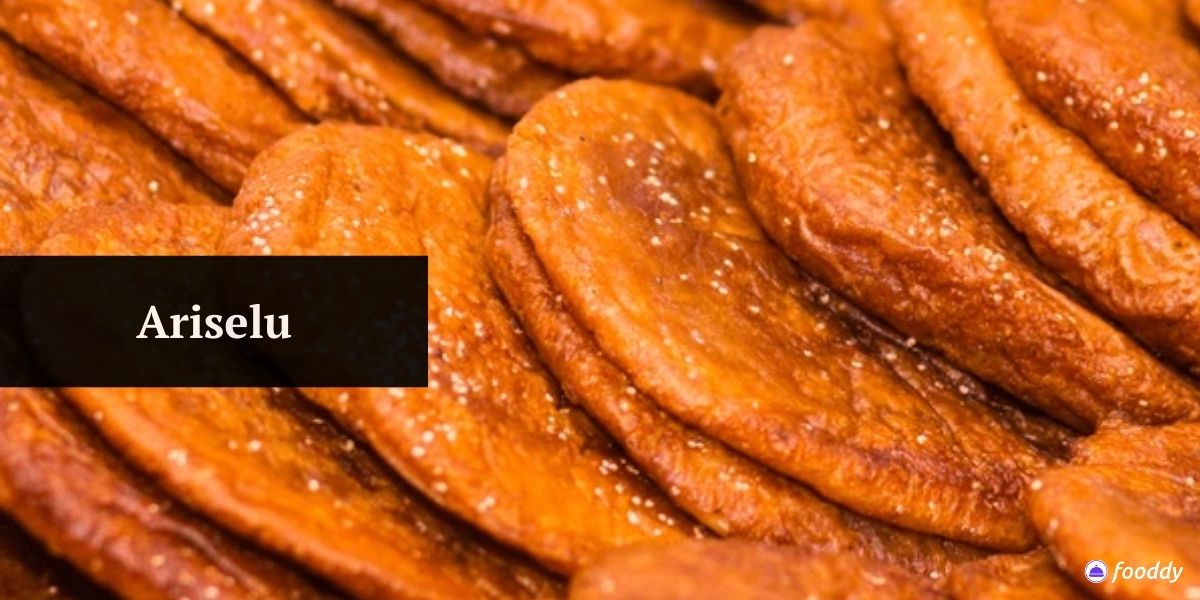
1. Ariselu

Ariselu

Ariselu is the classic Andhra sweet, rice flour with jaggery being deep-fried to the ultimate perfection. It is the chewy, round delicacies a staple of celebrations on Sankranti, symbolizing good fortune.

2. Poornalu

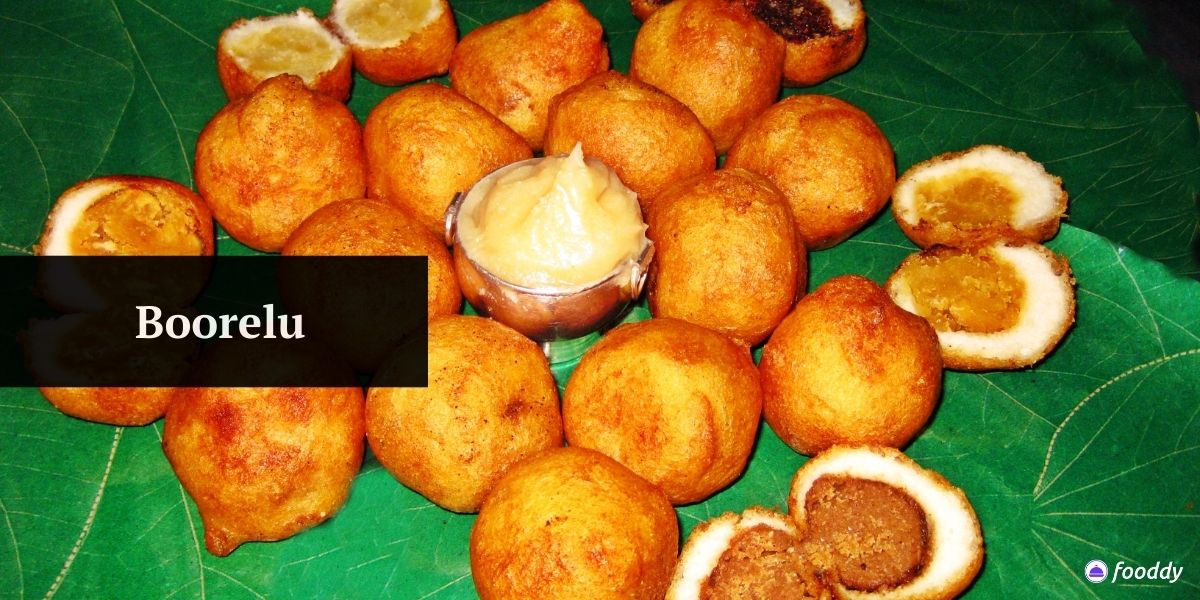
Poornalu

Poornalu, which is another name for Boorelu, are fried dumplings stuffed with a very sweet mixture of jaggery and chana dal. It gives both crunchy outer layers and a soft interior. This makes it a favourite in festivals.

3. Kajjikayalu

These crescent-shaped sweets are studded with a mixture of coconut, jaggery, and cardamom, after which it is enveloped in a crunchy, fried exterior. Kajjikayalu is usually made in big batches to be shared.

Check Out: Sankranti sweets Karnataka

4. Bellam Pongali

Jaggery and rice form the base for a sweet rice pudding mixed with moong dal. Flavoured with ghee, cashews and raisins, Bellam Pongali adds luxury to Sankranti feasts.

5. Rava Laddu

Semolina, sugar, and ghee make up Rava Laddu, a very simple but delicious sweet. It is made ahead of time and distributed among friends and family.

6. Sunnundalu

These protein-rich laddus are made of roasted urad dal, jaggery, and ghee. They are not only delectable but quite wholesome as well.

7. Palathalikalu

Palathalikalu is a pretty unique Sankranti dessert. It comprises handmade noodles of rice flour cooked in a sweetened milk mixture containing jaggery along with cardamom.

Related – Sankranti Special Food Items in Andhra

8. Paramannam

Paramannam is a traditional rice pudding popularly made with rice, jaggery, and milk. It is sometimes also given as prasadam for festival purposes.

9. Gavvalu

Gavvalu, or “shell sweets,” are tiny, shell-shaped treats made with all-purpose flour and coated in a jaggery syrup for a delightful crunch.

10. Milk Mysore Pak

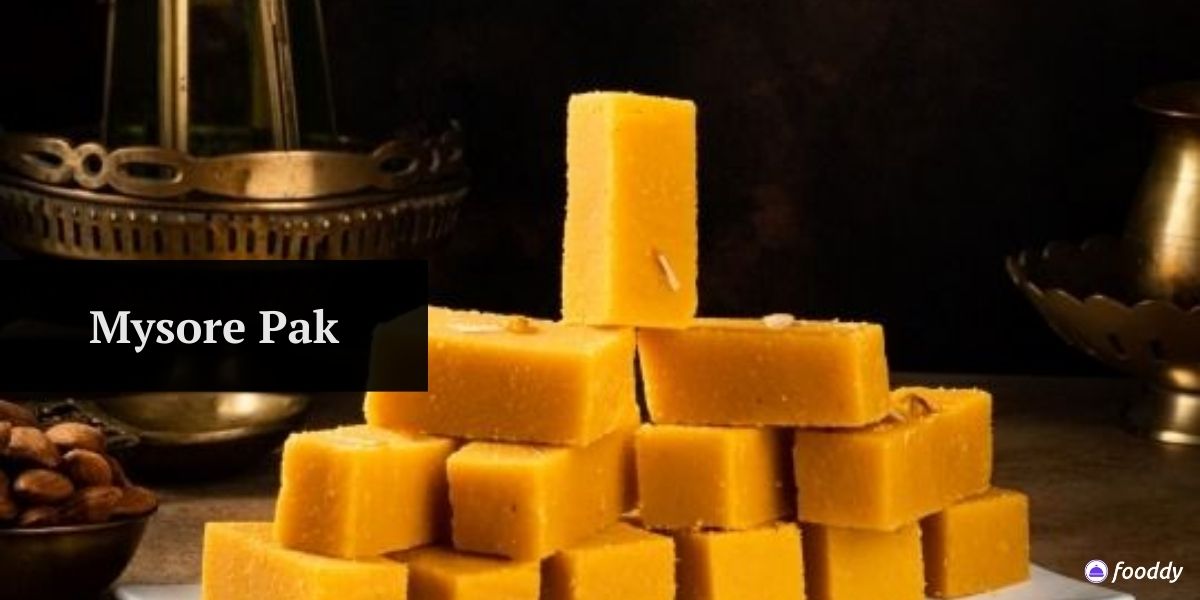
Mysore Pak - sankranti sweets andhra pradesh

A softer, milkier version of the classic Mysore Pak, this sweet is made with besan, sugar, and ghee, offering a melt-in-the-mouth experience.

Must See – Sankranti Special Food Items in Telangana

Sankranti Sweets Andhra Pradesh Price

Here’s an approximate price list for some of the popular Sankranti sweets in Andhra Pradesh:

Sweet Name Approximate Price (INR)
Ariselu 350 – 450 per kg
Poornalu 300 – 400 per dozen
Kajjikayalu 300 – 400 per dozen
Bellam Pongali 200 – 300 per serving
Rava Laddu 300 – 400 per kg
Sunnundalu 400 – 500 per kg
Palathalikalu 250 – 350 per serving
Paramannam 200 – 300 per serving
Gavvalu 300 – 400 per kg
Milk Mysore Pak 400 – 500 per kg

These sweets are available in local sweet shops, and many also prepare them at home using traditional recipes.

Conclusion

Sankranti in Andhra Pradesh is a celebration of gratitude, unity, and culinary heritage. Traditional sweets prepared during this festival add to the festive spirit and unite families. Ariselu to Palathalikalu has its own flavours and cultural importance, making the festival memorable. Be it preparation at home or purchase from local shops, they will surely give a sweet feel to your Sankranti celebrations.

Watch Out – Sankranti Special Food Items in Maharashtra

FAQs

Q1. What are sweets during Andhra Pradesh’s Sankranti?

Ans:- Sweets are a way of expressing good times, well-being, and generosity during harvest festivals.

Q2. What is the sweet that is highly preferred during Sankranti in Andhra Pradesh?

Ans:- Ariselu is perhaps one of the most popular sweets enjoyed during Andhra Pradesh Sankranti.

Q3. Are these sweets hard to make at home?

Ans:- Most of these sweets require basic ingredients and traditional methods, making them manageable with practice.

Q4. Can I order Sankranti sweets online?

Ans:- Yes, nowadays, sweet shops and even online portals provide sweets to deliver to your place.

Q5. How long are these sweets fresh?

Ans:- Ariselu and Kajjikayalu can be stored fresh for up to a couple of weeks if kept in a closed container

Q6. Are these sweets healthy?

Ans:- Well, though most of the sweets contain jaggery and are made with wholesome ingredients, it is only advisable to have them in moderation.

Q7. How to celebrate Sankranti in Andhra Pradesh?

Ans:- The best ways to celebrate such a day can be by preparing traditional sweets, cultural activity participation, and spending time with loved ones.


Sankranti Sweets karnataka | A Taste of Tradition for 2026

Sankranti Sweets karnataka

Makar Sankranti is another festival celebrated throughout India with special importance in Karnataka. This harvest festival marks a time when the sun moves into Makara Rashi, or Capricorn, heralding prosperity and new beginnings. The most noticeable aspect of celebrating the Sankranti festival in Karnataka is the preparation and sharing of traditional sweets. These sweets are usually prepared using jaggery, sesame seeds, coconut, and lentils and add a flavorful taste to the celebrations and are also cultural and symbolic in their sense. In this blog, we take you through some of the best Sankranti sweets from Karnataka along with their recipes and more.

Best Sankranti Sweets Karnataka

Sankranti sweets of Karnataka are known for their rich flavors and traditional recipes passed down through generations. Here are 10 iconic sweets that define the festive spirit.

Sr. No Sweet / Dish Key ingredients Texture / Taste
Why it’s special (Sankranti / Karnataka)
1 Ellu Bella Sesame seeds, jaggery, coconut, roasted peanuts, fried gram Sweet, nutty, crunchy mix
Shared with the saying “Ellu Bella thindu, olle maathu aadi” to spread positivity and harmony.
2 Sakkare Achu Sugar candy made in molds Glossy, sweet, delicate
Decorative sugar figurines (animals, flowers, stars, symbols); kids love collecting them; exchanged as festive sweetness.
3 Kajjaya Rice flour, jaggery, cardamom Crispy outside, soft inside; rich jaggery flavor
Deep-fried traditional sweet made in batches for sharing during festivals like Sankranti/Deepavali.
4 Obbattu (Holige / Puran Poli) Outer dough (wheat/refined flour), filling (chana dal/coconut + jaggery), ghee Soft yet slightly crisp; rich and buttery
Classic festive stuffed flatbread; variations like coconut filling (kayi holige) or toor dal stuffing.
5 Rava Ladoo Roasted semolina (rava), sugar, ghee, cardamom, cashews, raisins Melt-in-the-mouth; warm sweet aroma
One of the quickest festive sweets; popular across Sankranti, Ganesh Chaturthi, and Diwali.
6 Coconut Burfi Fresh grated coconut, sugar, cardamom, ghee (optional: condensed milk/khoya, saffron, nuts) Chewy to melt-in-mouth; coconut-rich
Simple, fragrant bite-sized sweet; common Sankranti treat with creamy/rich variations.
7 Shenga Chikki Roasted peanuts, jaggery (optional: sesame/almonds) Crunchy, brittle, sweet-nutty
Winter-friendly energy snack; jaggery adds warmth; often enjoyed with chai during Sankranti.
8 Dry Fruit Ladoo Dates, almonds, cashews, walnuts, jaggery Soft & chewy with nut crunch
Healthier sweet (often no refined sugar); energy-boosting snack for kids and elders during festivals.
9 Pineapple Kesari Bath Semolina, ghee, sugar, saffron, pineapple chunks Soft, rich, fruity; golden color
Fruity twist to classic Kesari Bath; popular temple prasad and Sankranti feast highlight.
10 Mysore Pak Gram flour, sugar, lots of ghee Buttery, melt-in-mouth; crumbly/soft (soft version is fudge-like)
Iconic Karnataka sweet from Mysore royal kitchens; must-have for Sankranti, Diwali, special occasions.


1. Ellu Bella

Ellu Bella is an interesting mix of sesame seeds, jaggery, coconut, roasted peanuts, and fried gram. This sweet is exchanged among family and friends by saying “Ellu Bella thindu, olle maathu aadi” (Eat sesame and jaggery and speak good words), promoting harmony and positivity.

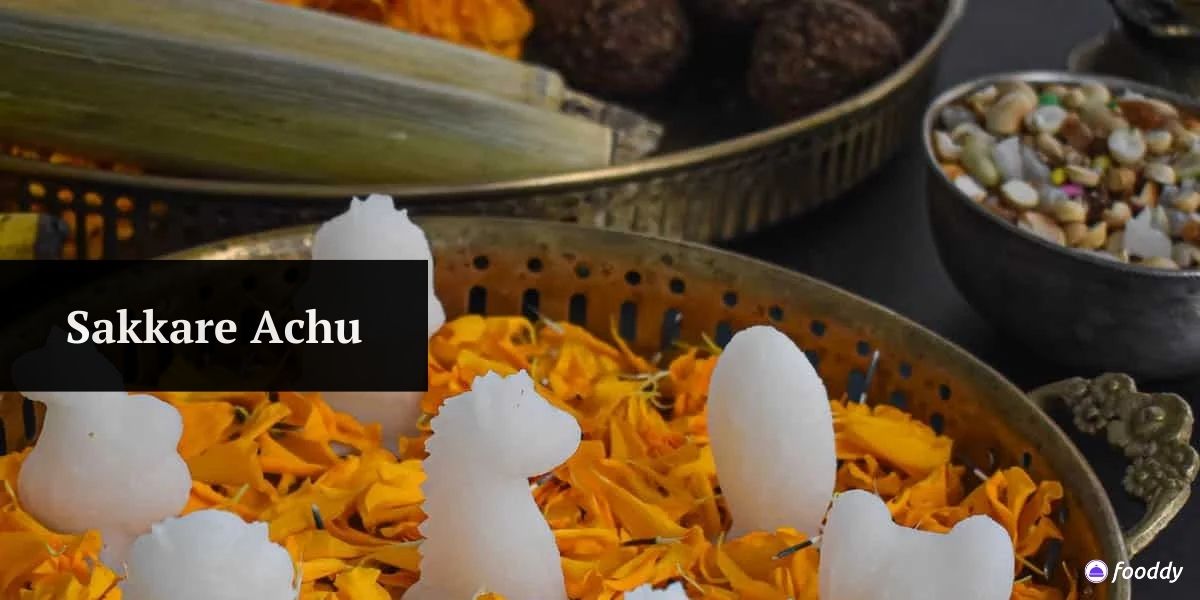
2. Sakkare Achu

These intricately designed sugar figurines, shaped like animals, flowers, stars, and traditional symbols, are crafted using special molds. Sakkare Achu is not just a sweet but also a cultural delight, as it adds vibrancy to Sankranti celebrations. The glossy, white sugar candy is especially loved by children, who eagerly collect and enjoy these delicate, handcrafted treats. It is often exchanged among families as part of the festival’s symbolic sweetness-sharing tradition.

3. Kajjaya

A deep-fried sweet prepared from rice flour, jaggery, and cardamom, Kajjaya has a unique texture crispy on the outside and soft inside. The jaggery caramelization gives it a rich, golden-brown hue, enhancing its taste and aroma. This traditional Karnataka sweet is a staple at festive gatherings, especially during Sankranti and Deepavali, where families prepare it in large batches to share with loved ones.

Related : Sankranti Special Food Items in Maharashtra

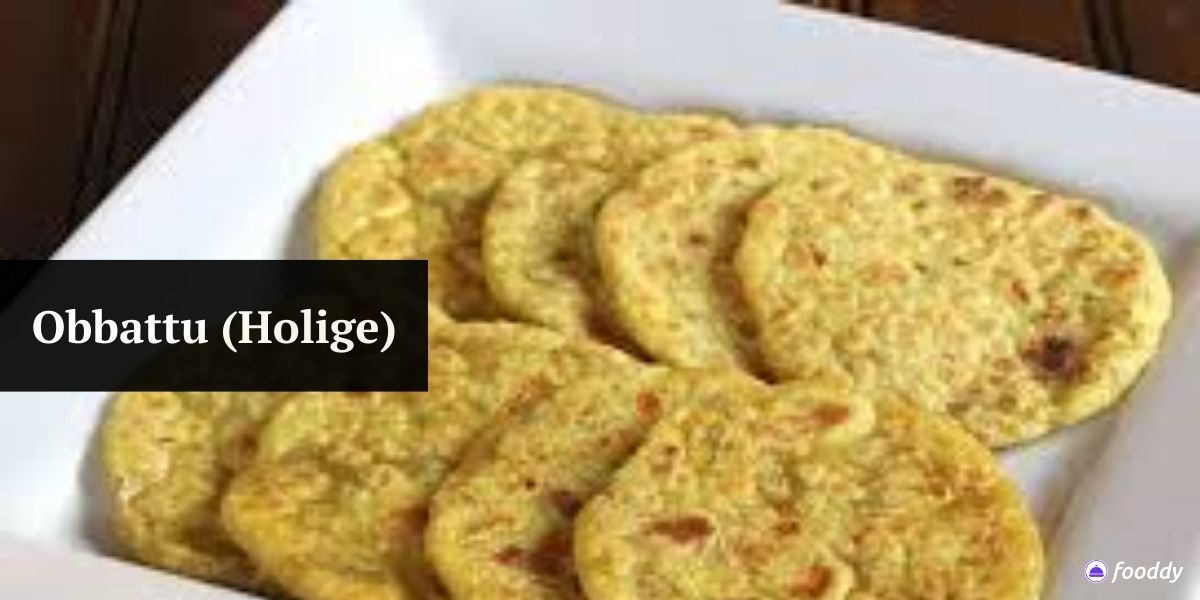
4. Obbattu (Holige)

Obbattu, also known as Holige or Puran Poli, is a thin, flaky flatbread stuffed with a sweet filling made from chana dal, coconut, and jaggery. The dough, made from wheat or refined flour, is kneaded to perfection, then rolled out and cooked on a hot griddle with generous amounts of ghee. Some variations also include a kayi holige (coconut filling) or toor dal stuffing, making it a versatile festive treat. Its rich, buttery taste and soft-yet-crispy texture make it a must-have during Sankranti celebrations.

5. Rava Ladoo

These golden, melt-in-the-mouth ladoos are made from roasted semolina (rava), sugar, ghee, and fragrant cardamom. Rava Ladoo is one of the quickest and simplest festive sweets, yet its taste is indulgent and nostalgic. The addition of cashews and raisins sautéed in ghee enhances its richness, making it a favorite among children and elders alike. It is commonly prepared for Sankranti, Ganesh Chaturthi, and Diwali, filling homes with its warm, sweet aroma.

6. Coconut Burfi

Coconut Burfi is a simple yet irresistible treat made from freshly grated coconut, sugar, and cardamom. The coconut’s natural sweetness and chewy texture, combined with the richness of ghee, create a delightful melt-in-the-mouth experience. Some variations include condensed milk or khoya for extra creaminess, while saffron and nuts are added for a richer taste. This fragrant, bite-sized delicacy is an essential part of Karnataka’s Sankranti festivities, enjoyed with family and guests.

Watch Out – Sankranti Special Food Items in Karnataka

7. Shenga Chikki

This crunchy and nutty brittle, made from roasted peanuts and caramelized jaggery, is not just delicious but also packed with protein and energy. Shenga Chikki is a classic winter treat, as jaggery provides warmth to the body during colder months. The perfect balance of sweetness and crunch makes it a go-to snack during Sankranti celebrations, often enjoyed with a hot cup of chai. Some variations also include sesame seeds or almonds for an added layer of flavor and nutrition.

8. Dry Fruit Ladoo

A power-packed sweet, Dry Fruit Ladoo combines the goodness of dates, almonds, cashews, walnuts, and jaggery to create a nutrient-rich, naturally sweet delicacy. Unlike traditional sweets, these ladoos do not require refined sugar, making them a healthier choice during festivals. The soft and chewy texture, along with the crunch of nuts, makes them a delightful festive treat. These ladoos are not only enjoyed during Sankranti but also prepared as an energy-boosting snack for kids and elders.

9. Pineapple Kesari Bath

A delicious twist to the traditional Kesari Bath, this variation includes fresh pineapple chunks, adding a fruity burst of flavor to the semolina-based dessert. Cooked with ghee, sugar, and saffron, Pineapple Kesari Bath has a rich aroma and vibrant golden color, making it a visually appealing and tasty dish. It is commonly served as prasad in temples and is a highlight of Karnataka’s Sankranti feast, loved by both children and adults.

10. Mysore Pak

A legendary Karnataka sweet, Mysore Pak is known for its buttery, melt-in-the-mouth texture and rich ghee-infused flavor. Made from gram flour, sugar, and an abundance of pure ghee, this delicacy has a crumbly yet soft consistency that makes it irresistible. Created in the royal kitchens of Mysore, this sweet is now a festival staple enjoyed during Sankranti, Diwali, and special occasions. The traditional version is slightly dense, while the soft Mysore Pak variant has a fudge-like texture that simply dissolves in the mouth.

Sankranti Sweets Karnataka Recipe

Here are 10 simple recipes to prepare Karnataka’s Sankranti sweets at home:

1.Ellu Bella

Ingredients: Sesame seeds, jaggery, roasted peanuts, fried gram, coconut.

Method:

  1. Roast sesame seeds till golden
  2. Chop jaggery and coconut into small pieces
  3. Mix all the ingredients well and serve

2. Sakkare Achu

Ingredients: Sugar, moulds, milk.

Method:

  1. Dissolve sugar in water and boil to one string consistency
  2. Add milk to remove impurities and pour into the moulds
  3. Allow it to set and unmold

3. Kajjaya

Ingredients: Rice flour, jaggery, water, oil.

Method:

  1. Boil jaggery in water, and mix with rice flour to prepare dough.
  2.  give shape in disc form, and deep fry, until golden brown colour.

4. Obbattu (Holige)

Ingredients: Wheat flour, chana dal, jaggery, ghee.

  1. Take wheat flour in a vessel. Add water to it to knead the dough.
  2. Cook the chana dal, mix jaggery and grind it in a paste form.
  3. Stuff this dough with a filling, roll it, and cook it on the griddle, greased with ghee.

Must See – Sankranti Special Food Items in Andhra

5. Rava Ladoo

Ingredients: Semolina, sugar, ghee, cardamom. 

Method:

  1. Roast semolina in ghee till fragrant.
  2. Mix with powdered sugar and cardamom.
  3. Shape into ladoos.

6. Coconut Burfi

Ingredients: Coconut, sugar, cardamom.

 Method:

  1. Cook grated coconut and sugar till it thickens.
  2. Add cardamom, spread on a plate, and cut into squares.

7. Shenga Chikki

Ingredients: Peanuts, jaggery.

 Method:

  1. Roast peanuts and remove skins.
  2. Melt jaggery to a hard-ball consistency.
  3. Mix peanuts with jaggery and spread to set.

8. Dry Fruit Ladoo

Ingredients: Dates, almonds, cashews, jaggery. 

Method:

  1. Tread dates and nuts into a fine paste.
  2. Stuff into ladoo.

9. Pineapple Kesari Bath

Ingredients: Semolina, pineapple, sugar, ghee. 

Method:

  1. roast semolina in ghee.
  2. add pineapple puree, sugar, and water. 
  3. cook till the mixture is thick.

10. Mysore Pak

Ingredients: Gram flour, ghee, sugar.

 Method:

  1. Boil Sugar with water  to form  syrup
  2. Put gram flour slowly and ghee in it 
  3. Pour inside the greased Tray and cut accordingly.

Also Read – Sankranti Special Food Items in Telangana

Conclusion

Karnataka Sankranti is more than just a festival; it’s a show of tradition, culture, and flavour. This wide array of sweets made during the period not only adds to the festive zest but also fortifies the bonds as they are shared with family and friends. Whether crunchy shenga chikki, soft kajjaya, or rich Mysore Pak-this all speaks to the great side of Karnataka’s culinary heritage. Try these recipes at home to make your Sankranti celebration even more special.

FAQs

Q1. What do sweets represent in Karnataka Sankranti?

Ans:- Sweets represent prosperity, happiness, and the spirit of sharing on this harvest festival.

Q2. Which sweet dominates Karnataka Sankranti?

Ans:- Ellu Bella is the most popular sweet to come with Sankranti in Karnataka.

Q3. How hard is it to prepare them?

Ans:- Most of them are quite simple to make, with minimal ingredients and basic preparations.

Q4. Can these sweets be prepared vegan?

Ans:- Yes, many of the sweets such as Ellu Bella and Shenga Chikki can be prepared vegan by abstaining from ghee.

Q5. How long do these sweets last?

Ans:- Chikki and Kajjaya Sweets can last for a period of 1-2 weeks when stored well.

Q6. Where can I purchase Sankranti sweets in Karnataka?

Ans:- In a local sweet shop, market, and online stores during the festive season.

Q7. What are some healthy Sankranti sweets?

Ans:- Dry fruit ladoos and Ellu Bella are nutritious options that combine taste with health benefits.


Sankranti Special Food Items in Karnataka | 20 Must-Try Sweets & Savouries for 2026

Sankranti Special Food Items in Karnataka

Karnataka people show great happiness during Makar Sankranti, an important Indian celebration. Residents celebrate this holiday because it indicates that winter has ended and spring has arrived, along with the Capricorn constellation. People in Karnataka observe Makar Sankranti with religious customs and enjoying festive foods. Many Indian families prepare nutritious and delicious seasonal dishes according to their traditional festival customs during Makar Sankranti. The following article discusses the Sankranti Food Items in Karnataka served during Kannada festival celebrations.

Makar Sankranti Special Food Items in Karnataka

At Sankranti time Karnataka homes prepare traditional dishes that produce extraordinary scents throughout their kitchens. During this festive season, people prepare 10 special food items that became famous across the nation.

1. Ellu Bella

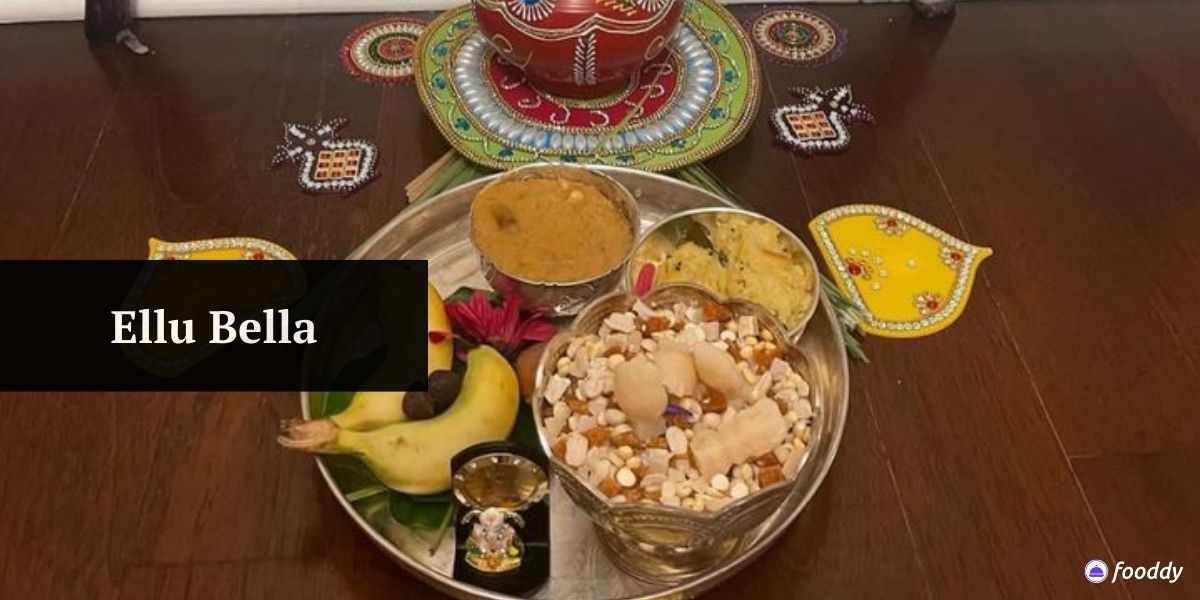
Ellu Bella

An authentic preparation of Ellu Bella combines roasted sesame seeds with peanuts along with dried coconut pieces and jaggery. As one of the most popular Sankranti Food Items in Karnataka, this traditional sweet symbolizes harmony and togetherness. People celebrate the festival by sharing small packets of this delightful mixture with family members and friends. The combination of low-carbohydrate jaggery, peanuts, coconut, and sesame seeds creates a perfect balance of flavors and textures. According to tradition, sharing Ellu Bella strengthens family bonds and fosters goodwill among loved ones during the Sankranti festival.

2. Sakkare Achu

Sakkare Achu

The preparation of Sakkare Achu sugar figurines involves methods that start and shape sugar syrup through boiling and molding techniques. Many different shapes of decorative treats including animals and symbolic designs make Sankranti celebrations more attractive for people. The process of making Sakkare Achu demands artistic talent where skilled workers use hot sugar syrup to fill wooden or metal molds which slowly transform into detailed shapes. Children tend to love sugar figurines so much that they eagerly assemble these collectible items during the festival.

Related : Sankranti special food items in Telangana

3. Obbattu (Holige)

Obbattu (Holige) - Sankranti Food Items in Karnataka

Traditional festivals in Karnataka prosper without Obbattu, which people commonly name as Holige or Puran Poli. As one of the most beloved Sankranti Food Items in Karnataka, this soft, thin, and flaky flatbread features a delightful stuffing of jaggery and chana dal (Bengal gram). The dough, made from wheat flour and refined flour, is carefully rolled out and cooked on a hot griddle with generous amounts of ghee before being filled with the sweet mixture. This golden-hued delicacy turns crispy yet tender, making it a perfect festive treat that pairs wonderfully with hot milk or butter.

Do Check Out – Sankranti Special Food Items in Andhra

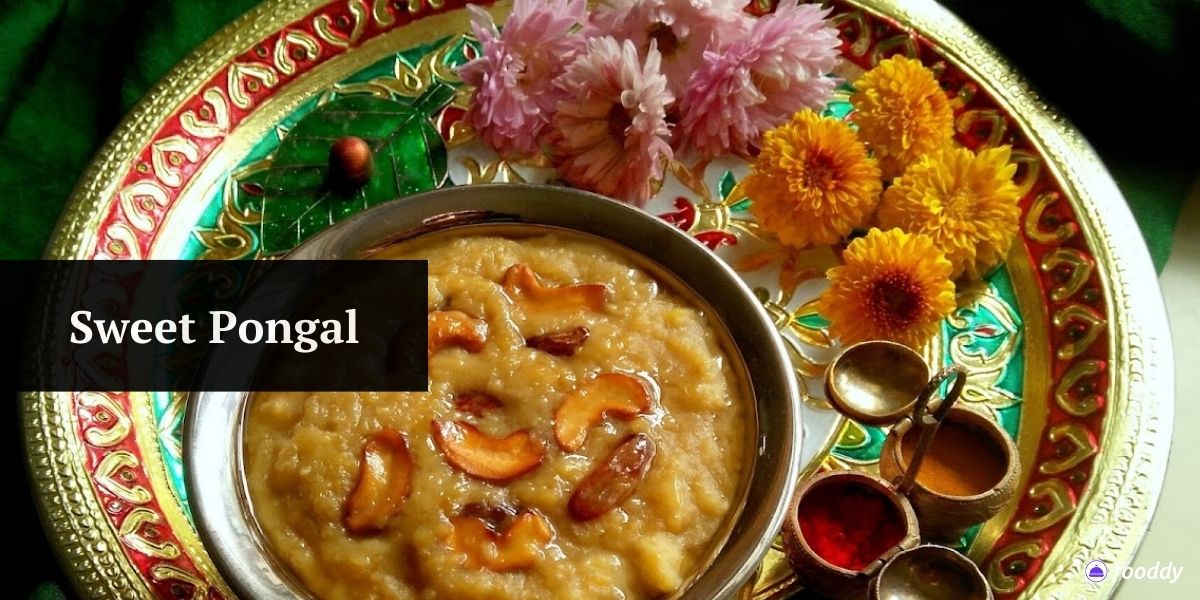
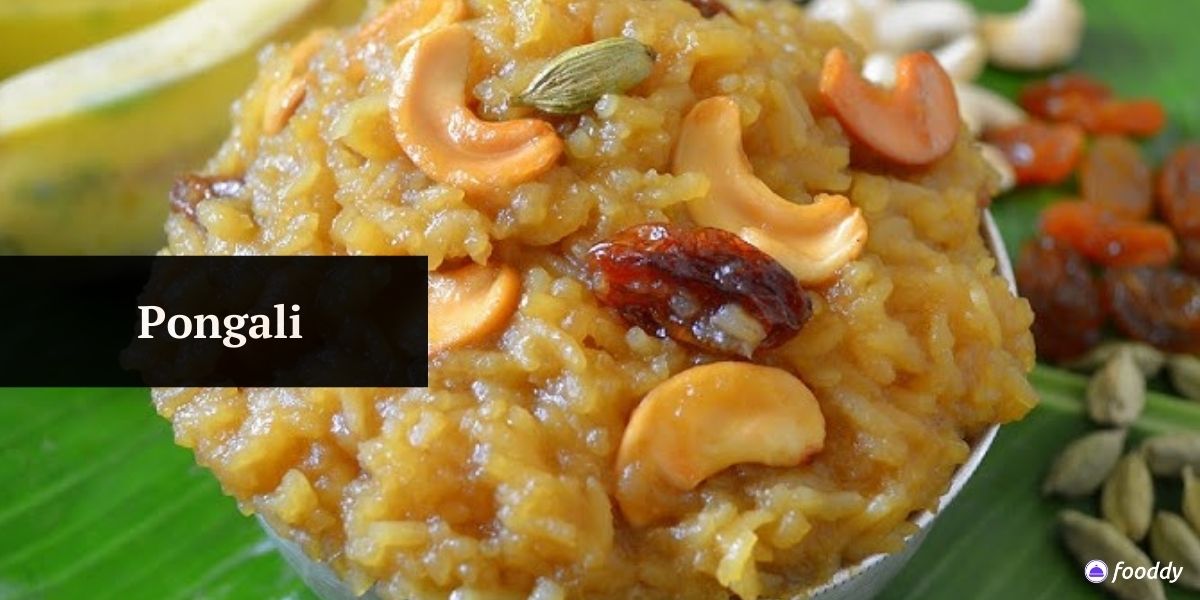
4. Sweet Pongal

Sweet Pongal

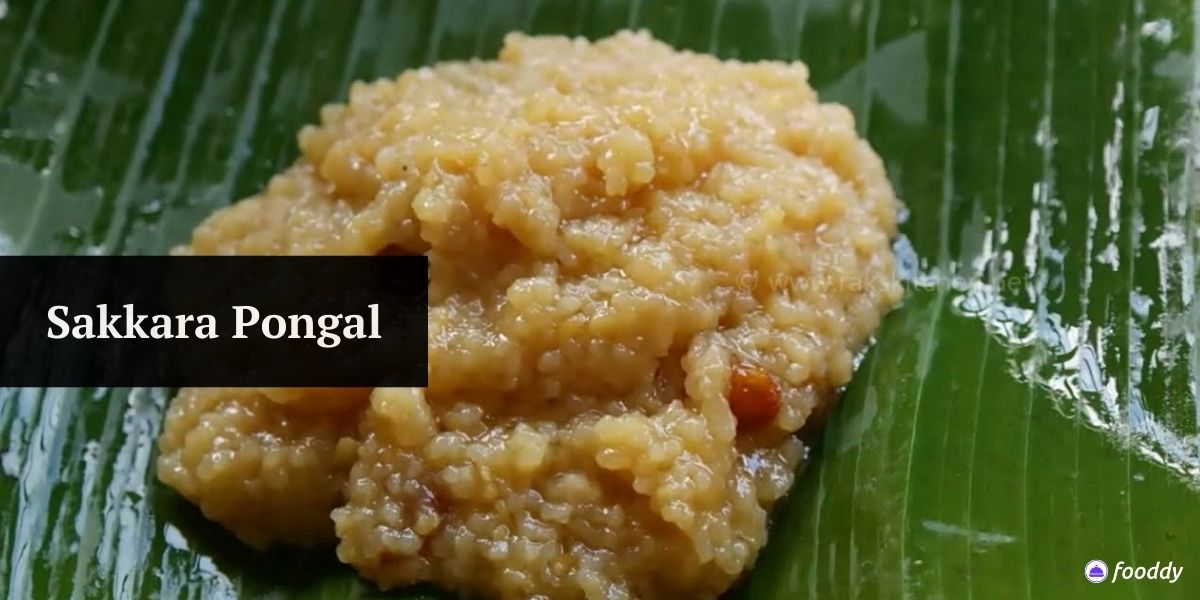
Sweet Pongal stands as the traditional dish of Sankranti which comprises rice cooked with jaggery and moong dal and cardamom powder. The creaminess of the mixture forms through a long cooking process in milk or water before it becomes ready for enhancement with abundant ghee combined with cashews and raisins. Sweet Pongal derives its special flavor from the combined use of cardamom and edible camphor in its preparation.

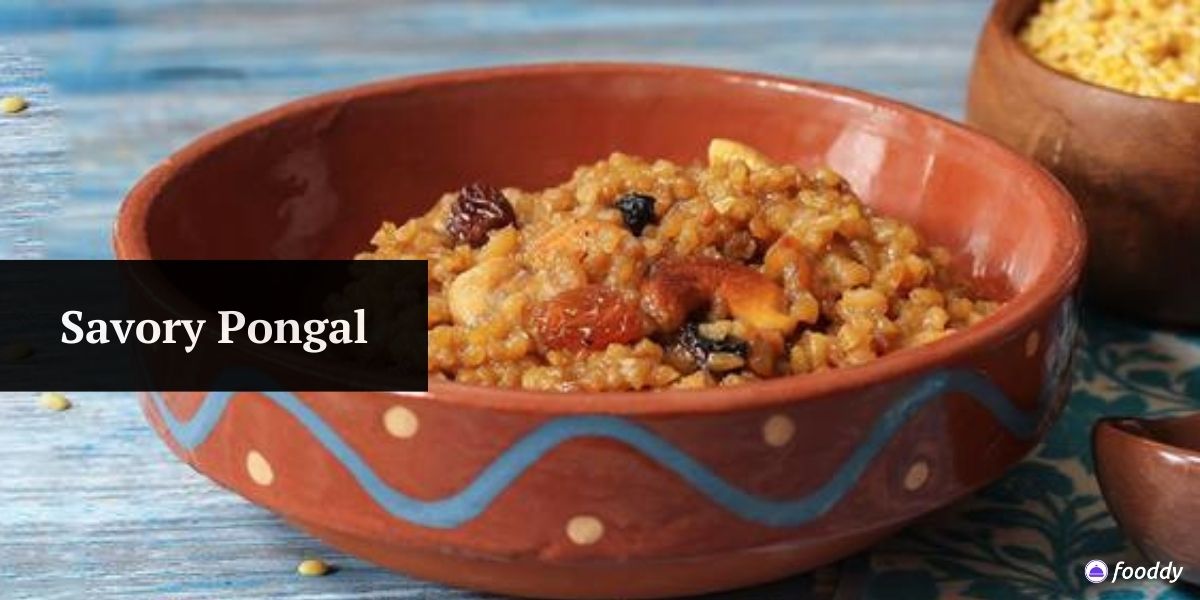
5. Savory Pongal

Savory Pongal - Sankranti Food Items in Karnataka

For those who prefer a non-sweet alternative, Savory Pongal is a comforting and wholesome dish made from rice and lentils, infused with the warmth of black pepper, ginger, cumin, and curry leaves. It is often tempered with ghee, mustard seeds, and cashews, giving it a rich and nutty taste. This dish is not only enjoyed during Sankranti but also serves as a nutritious breakfast option across South India. It is best paired with coconut chutney or tangy sambar for an added burst of flavor.

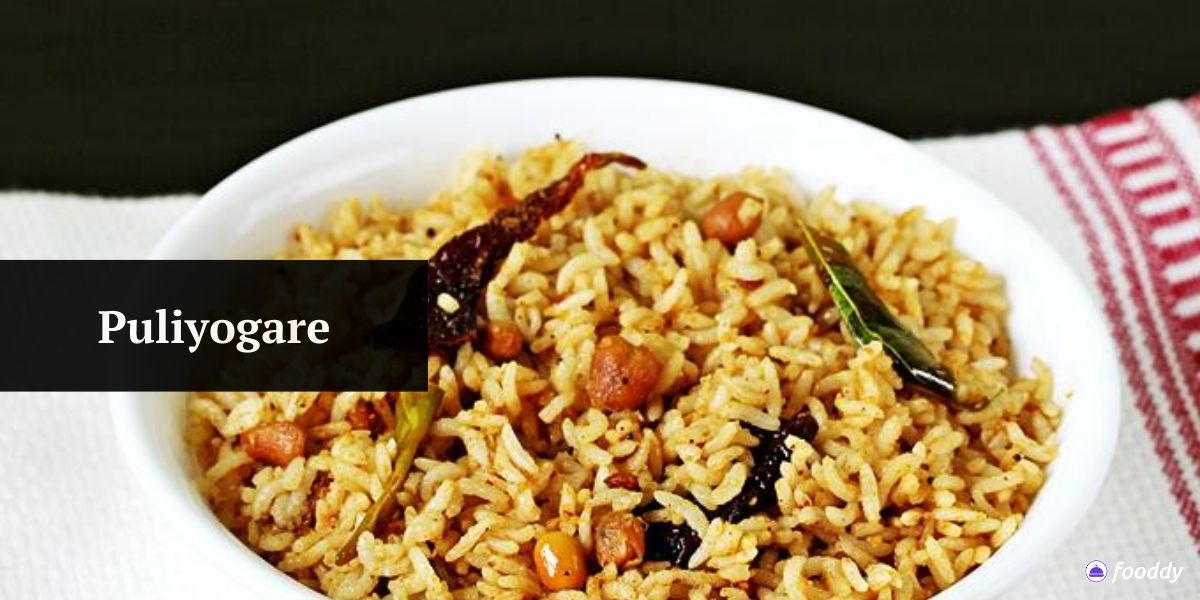
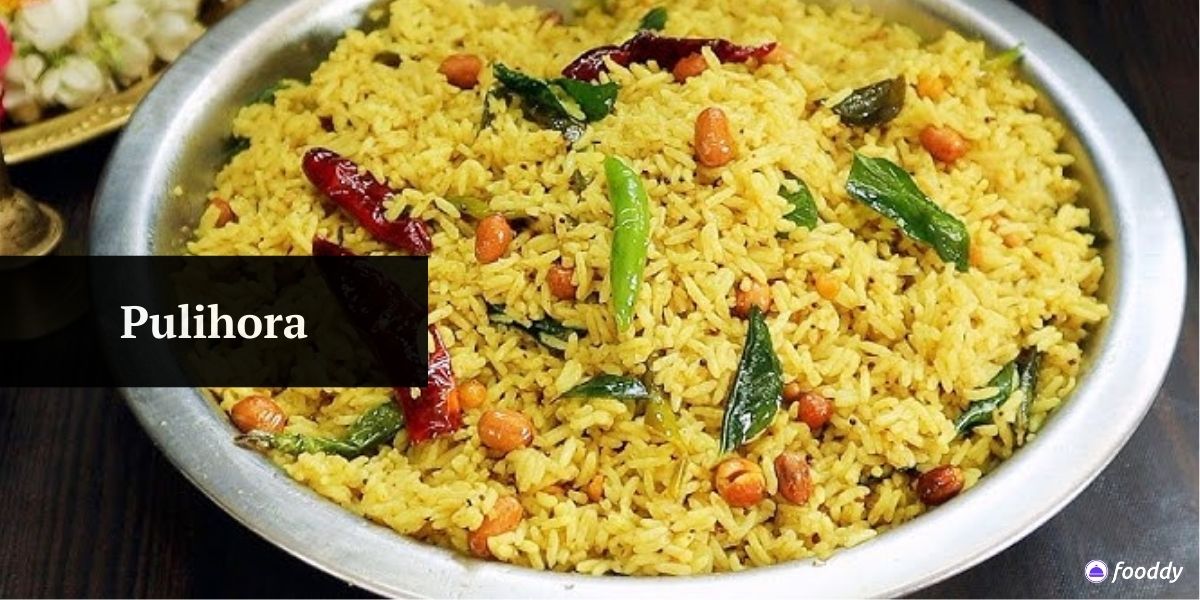
6. Puliyogare

Puliyogare

Puliyogare, commonly known as tamarind rice, is one of the most flavorful Sankranti Food Items in Karnataka, enjoyed for its spicy and tangy taste during festive celebrations. A homemade tamarind paste gives the rice its signature flavor, blending jaggery, mustard seeds, and sesame seeds with dry red chilies. The dish gains additional depth from curry leaves, peanuts, and grated coconut, creating a rich and aromatic experience. Its deep brown hue and bold, zesty flavors make Puliyogare a festival favorite, often served in temples as part of Sankranti offerings.
Also Read – Sankranti Special Food Items in Maharashtra

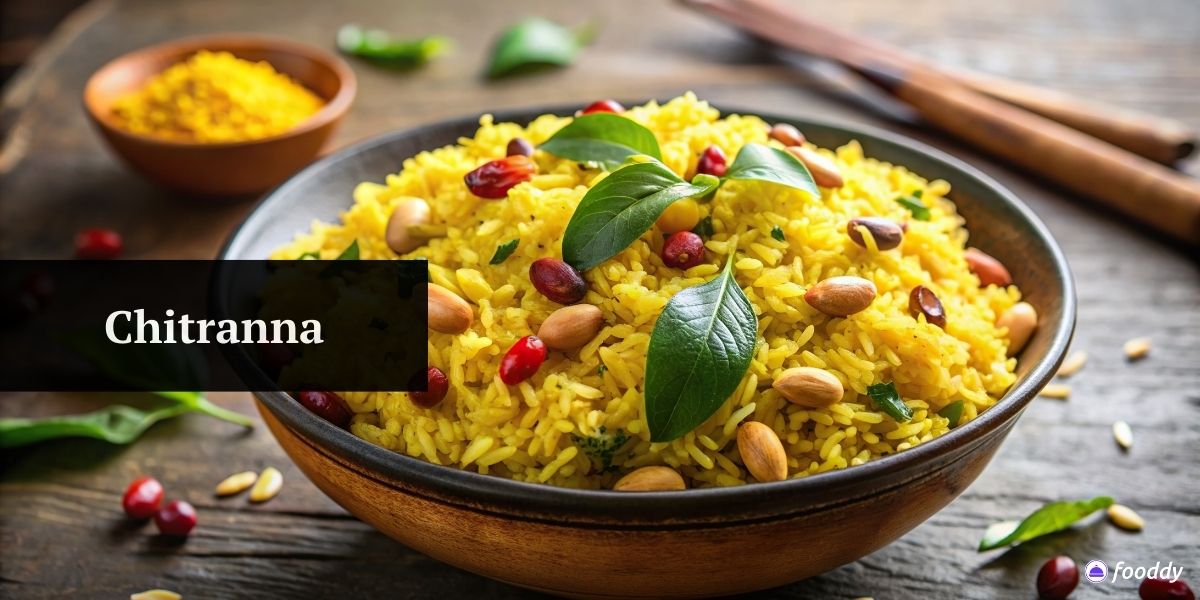
7. Chitranna

Chitranna - Sankranti Food Items in Karnataka

Lemon rice called Chitranna represents a basic yet colorful meal that unites rice with lemon juice and turmeric with green chillies while the mixture is seasoned with mustard seeds and curry leaves and urad dal. The sharp lemon taste combined with lively yellow appearance gives Puliyogare its status as a perfect festive meal during Sankranti. Lemon rice gets its variations through the addition of roast peanuts and fried onions alongside grated coconut which provides extra taste and texture to the dish.

Also Read – Sankranti Special Food Items in Telangana

8. Mysore Pak

Mysore Pak

The traditional sweets in Karnataka lead to Mysore Pak which creates a soft and dripping delicious confection featuring gram flour and plenty of ghee mixed with sugar. A traditional sweet made with ghee produces a firm crumbly texture which gradually melts into a buttery sensation. The royal kitchens of Mysore first developed this sweet which later evolved into a crucial festival food. On special social occasions such as Sankranti Mysore Pak becomes a traditional gift for friends and family.

9. Kajjaya

Kajjaya

Traditional deep frying produces Kajjaya using dough composed of rice flour, and jaggery together with cardamom. Small rounds are formed from the mixture and then placed into hot oil to produce deep-fried goods that acquire a golden brown finish together with an outside crust and inner soft chewiness. Fried dough coated with jaggery produces Kajjaya which offers a perfect fusion of crispy texture and sweet caramel taste during festivals. Preparations of Kajjaya occur in sizable quantities for the family to enjoy as a special holiday dish.

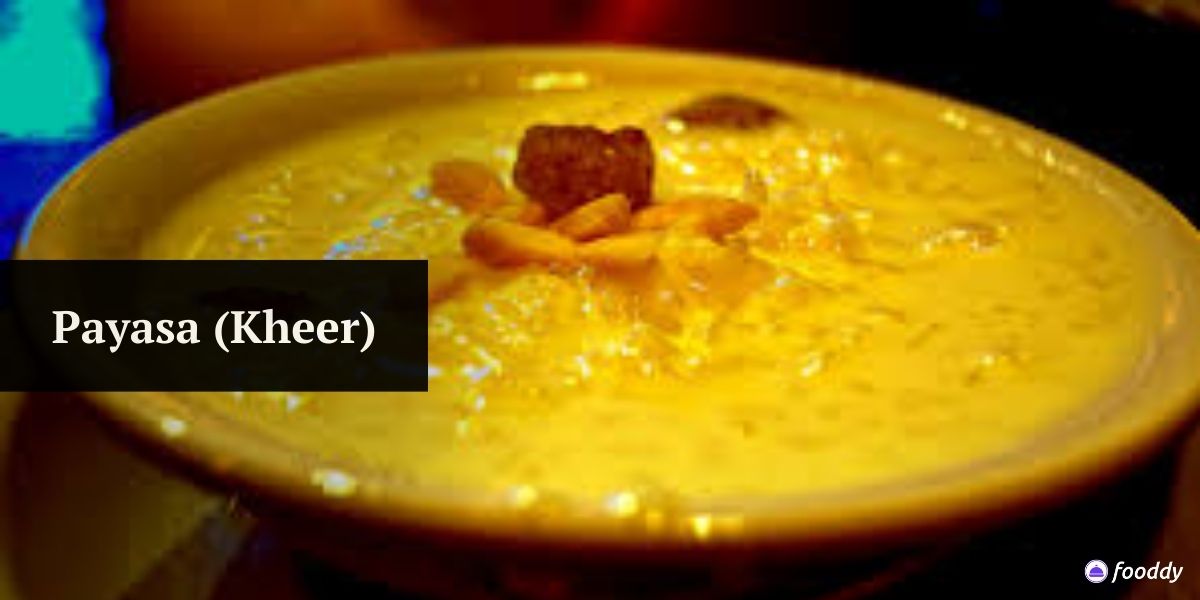
10. Payasa (Kheer)

Payasa (Kheer) - Sankranti Food Items in Karnataka

Payasa, also known as Kheer, is a quintessential Sankranti dessert made by simmering milk with jaggery, rice, or vermicelli. The dish is flavored with cardamom, saffron, and a handful of cashews and raisins fried in ghee. Some variations include the addition of coconut milk or moong dal for a richer taste. Payasa is served warm or chilled, making it a comforting and indulgent way to conclude a festive meal.

Sankranti Special Food Items in Karnataka Veg Items

Karnataka’s Sankranti vegetarian food affair is as varied as it is sumptuous. Here’s a list of 10 vegetarian specialties that take a seat at the center.

1. Ellu Bella

Traditional Sankranti offers families the chance to create a classic combination of sesame seeds with jaggery and peanut and coconut bits that creates a sweet and crunchy Sankranti snack. During festivals, Ellu Bella provides a symbol of friendship that spreads goodwill between people who want to foster sweetness in their relationships and daily lives.

2. Obbattu (Holige)

Karnataka people enjoy Obbattu otherwise known as Holige as a thin flat pliable cake filled with a smooth jaggery-lentils mixture during festive occasions. The wheat flour dough undergoes expert handiwork that involves rolling and stuffing the dough before applying ghee for roasting into a crisp yet chewy delicacy. People typically serve Obbattu along with warm milk while drizzling it with honey.

3. Sweet Pongal

The dessert Sweet Pongal combines cooked rice and moong dal with jaggery and it achieves a creamy texture through slow simmering. Aromatic cardamom gives sweet notes to the dish along with cashews and sautéed raisins cooked in ghee. This traditional food carries both religious and cultural meaning for the harvest celebration because it brings blessings of wealth and thankfulness.

4. Savory Pongal

Savory Pongal is a filling vegetarian dish which unites rice and lentils through its flavors of black pepper along with cumin and curry leaves. The dish obtains its rich earthy taste from mustard seeds tempered with ghee-roasted cashews and ginger. The dish commonly appears during breakfast time and acts as both a typical breakfast meal and a comforting eating experience. People typically serve it with coconut chutney or sambar.

5. Puliyogare

Rice that stands out through its tamarind paste infusion along with red chilies and jaggery and spices results in the vibrant creation called Puliyogare. The dish finishes with a crunch brought by fried peanuts together with toasted sesame seeds along with curry leaves. The persistence of its preservation makes Puliyogare a popular dish that people frequently make for quick meals while serving commonly in temple feasts.

6. Chitranna

A light and zesty dish, Chitranna, or lemon rice, is prepared by tossing fluffy cooked rice with a tangy mix of fresh lemon juice, turmeric, and green chilies. A fragrant tempering of mustard seeds, dried red chilies, and crispy urad dal enhances the overall taste. This simple yet refreshing dish is a go-to meal during festivals, picnics, and everyday lunches.

7. Kharabath

The bold spicy aspect of Kharabath dominates this semolina dish because it incorporates vegetables and aromatic spices together with tamarind extract. The dish achieves both comfort and indulgence through the combination of ghee with fresh coriander and grated coconut. Folks enjoy eating this semolina dish as both their morning breakfast and their evening snack.

8. Vegetable Biryani

The preparation of Vegetable Biryani produces an aromatic rice dish through a slow cooking process that blends whole spices, saffron together with caramelized onions and assorted vegetables such as carrots and peas and beans. Loved during festivities because it requires Dum cooking which validates rice and vegetables into aromatic layers sealed in a container to preserve the flavors and works best with raita and mirchi ka salan.

9. Kosambari

Kosambari consists of mixed ingredients such as moong dal and cucumbers and fresh coconut and green chilies that create a protein-rich and cold salad. The addition of tempered mustard seeds with curry leaves in coconut oil enhances both flavor and scent of the dish. Karnataka residents use this refreshing dish during festivals since it adds pleasant refreshment to traditional heavy meals.

10. Majjige Huli

To prepare Majjige Huli you blend coconut and green chilis into an ashen gourd or cucumber before adding yogurt for a mildly spiced yogurt base. Buttermilk or curd provides the dish with a tangy flavor that controls the intense flavors of the spices. The traditional serving method for this dish includes steamed rice which creates a soothing and light and cooling combination for both festive celebrations and regular dining occasions.

Unique Recipes for a Memorable Sankranti Festival

The following are the five unique, easy-to-prepare recipes that can add more flavor to your celebration of Sankranti.

Recipe 1: Ellu Bella

Ingredients:

  1. 1 cup Sesame seeds
  2. 1 cup jaggery chopped finely
  3. ½ coconut chopped finely
  4. Roasted peanuts-½ cup
  5. Fried gram-½ cup

Method:

  1. Roast the sesame seeds till golden and fragrant.
  2. Mix sesame seeds with jaggery, coconut, peanuts, and fried gram.
  3. It can be served as a festive snack or shared with friends and family.

Recipe 2: Sweet Pongal

Ingredients:

  1. Rice – 1 cup
  2. Moong dal – ½ cup
  3. Jaggery – 1 cup
  4. Ghee – 2 tbsp
  5. Cashews and raisins – 2 tbsp each
  6. Cardamom powder – ½ tsp

Preparation:

  1. Cook rice and moong dal together until soft.
  2. Melt jaggery dissolved in water along with the rice-dal mixture.
  3. Heat ghee, fry cashew and raisins, add it all to the pongal.
  4. Sprinkle some cardamom powder and serve warm.

Recipe 3: Obbattu (Holige)

Ingredients:

  • All-purpose flour – 2 cups
  • Chana dal – 1 cup
  • Jaggery – 1 cup
  • Ghee – for frying

Method:

  1. Prepare dough with wheat flour and water by kneading, then allow it to sit.
  2. Cook the chana dal, mash, and mix the same with jaggery for making the stuffing.
  3. Roll dough and fill up it with that filling, now put it into hot griddle greased by ghee.

Recipe 4: Puliyogare

Ingredients:

  • Cooked rice – 2 cups
  • Tamarind paste – 2 tbsp
  • Sesame seeds – 1 tbsp
  • Curry leaves, peanuts – as needed
  • Mustard seeds, red chilies – for tempering.

Method:

  1. Heat oil, add mustard seeds, red chilies, curry leaves, and peanuts.
  2. Mix tamarind paste and sesame seeds into the tempering.
  3. Combine with cooked rice and serve.

Recipe 5: Kajjaya

Ingredients:

  • Rice flour – 1 cup
  • Jaggery – 1 cup
  • Water – ½ cup
  • Ghee – 2 tbsp

Method:

  1. Ghee is melted in water and strained for impurities.
  2. Rice flour is mixed in the jaggery syrup to form a dough
  3. Small discs shape and deep fry until golden brown.

Conclusion for Sankranti Food Items in Karnataka

Makar Sankranti is a festival celebrated in Karnataka. It symbolizes togetherness, thanks, and a culinary feast. The traditional dishes prepared on the occasion show that the state indeed has a deep heritage, wherein seasonal and whole ingredients are crucial. From Ellu Bella which is sweet to comfort food like pongal and even festive obbattu, every dish represents love. By trying these recipes or by enjoying the products from local sweet shops, you can make your Sankranti celebration truly special.

FAQs

Q1. Why is Makar Sankranti celebrated in Karnataka?

Ans:- It is the harvesting season. So, Makar Sankranti is done with a gesture of gratitude towards the sun god for good harvesting.

Q2. What are the traditional dishes during Sankranti of Karnataka?

Ans:- The famous one is Ellu Bella, Sweet Pongal, Obbattu, and Puliyogare.

Q3. Are all Sankranti dishes vegetarian?

Ans:- Nearly all the items for Sankranti in Karnataka are vegetarian dishes.

Q4. Are these dishes vegan?

Ans:- Yes, ghee can be replaced with vegan butter or oil in most dishes.

Q5. Karnataka from where do I get the sweets of Sankranti?

Ans:- You get these sweets available from local shops as well as you can obtain the festive hamper online, containing all those varieties.

Q6. How many days do Sankranti recipes last in terms of freshness?

Ans:- Most dishes, such as Ellu Bella and kajjaya can stay fresh for up to a week.

Q7. In Karnataka what would be an ideal way of celebrating of Sankranti?

Ans:- The best way to celebrate Sankranti in Karnataka is by participating in traditional rituals, preparing festive dishes, and spending time with loved ones.


Sankranti Special Food Items in Maharashtra – Must-Try Traditional Dishes for 2026

Sankranti Special Food Items in Maharashtra

Makar Sankranti holds a special value in Maharashtra and is one of the many energetic festivals celebrated around India. One of the chief harvest festivals around India, with the sun becoming Makara Rashi or Karkataka Vrisha after crossing Sagittarius, so marking the sunrise of longer days. Ritualistic and cultural are two other qualities of this particular festival, aside from the food itself. Traditional culinary dishes form one of the mediums through which to celebrate Makar Sankranti in this state. The foods prepared during the festival hold symbolism of prosperity, togetherness, and gratitude for the bountiful harvest. Let’s dive into the world of Sankranti  food items in Maharashtra and explore their cultural and culinary significance.

Makar Sankranti Special Food Items in Maharashtra

During Makar Sankranti, households in Maharashtra prepare a variety of traditional dishes that showcase the essence of the festival. Here is a list of 10 iconic food items.

Sr. No Food Item (Maharashtra) Key ingredients Texture / Taste
Why it’s special (Sankranti)
1 Tilgul Ladoo Sesame seeds, jaggery Sweet, nutty, energy-rich
Iconic Sankranti sweet shared with “Tilgul ghya, goad goad bola”; sesame gives warmth, jaggery gives instant energy.
2 Puran Poli Wheat dough, chana dal, jaggery, ghee Soft sweet flatbread; rich & ghee-flavored
Classic festive dish; made with patience and served with ghee for extra taste.
3 Gulachi Poli Flatbread, jaggery, sesame seeds Sweet + nutty
Puran poli variation; often made in bulk and eaten over multiple days.
4 Khichdi Rice, moong dal, seasonal vegetables, mild spices, ghee Comforting, mild, wholesome
Healthy one-pot Sankranti meal; served with ghee and pickles.
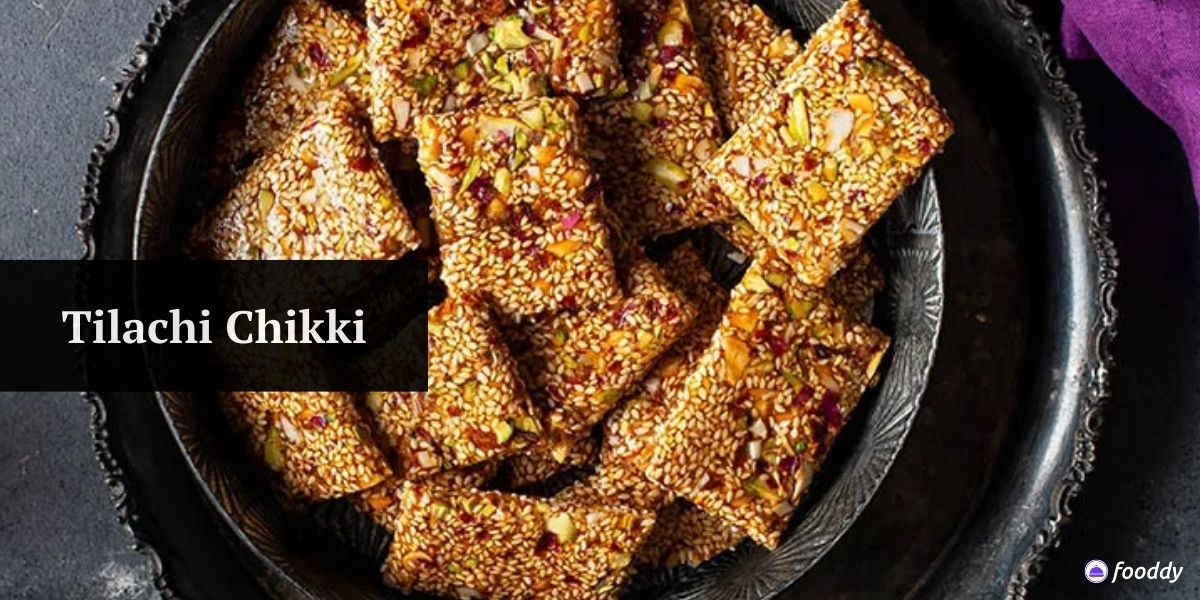
5 Tilachi Chikki Sesame seeds, jaggery Hard, crunchy brittle
Long shelf life (lasts for months); easy festive snack to store and eat anytime.
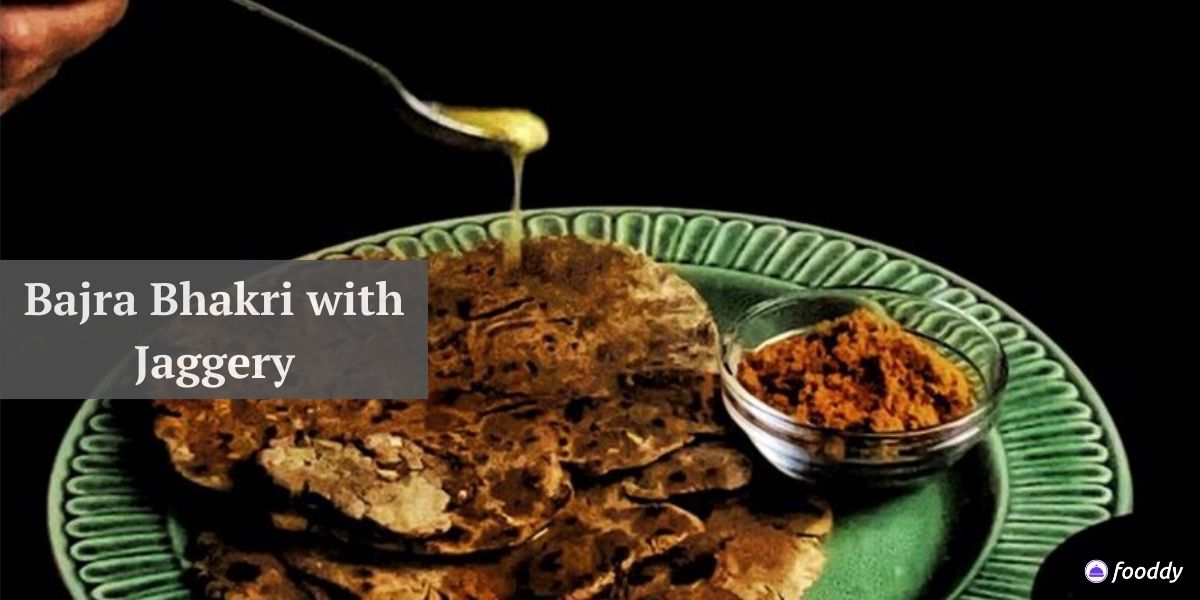
6 Bajra Bhakri with Jaggery Pearl millet flour (bajra), jaggery, white butter Rustic, hearty; sweet-savoury combo
Winter-friendly, warming and nutritious meal during cold Sankranti season.
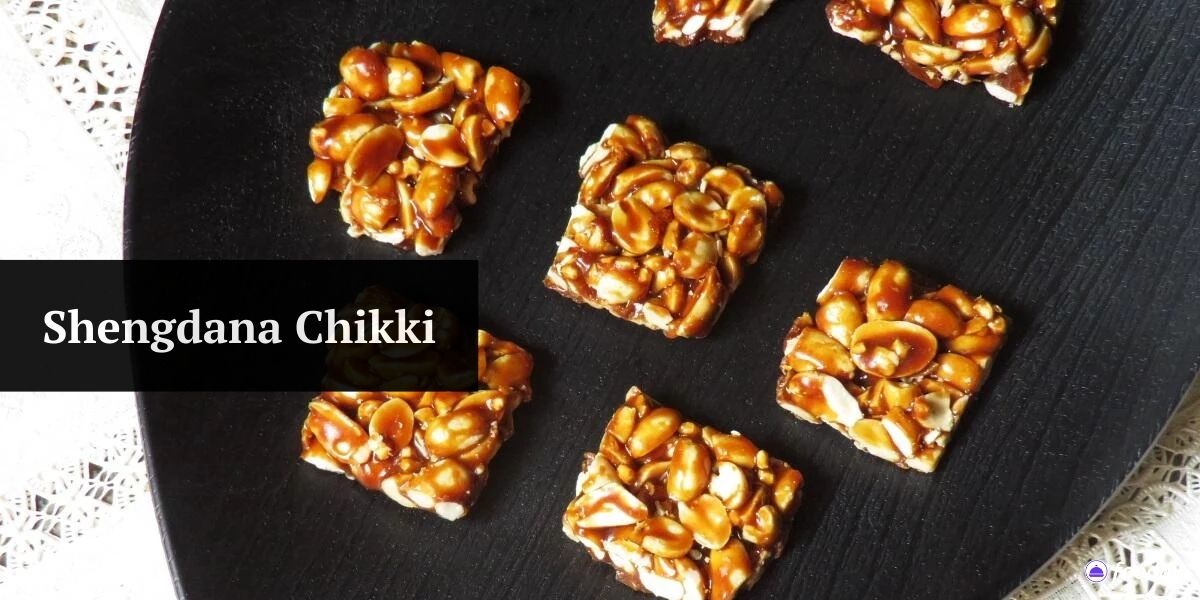
7 Shengdana Chikki Roasted peanuts, jaggery Crunchy, sweet-nutty
Protein-rich and easy to make; loved by kids and adults.
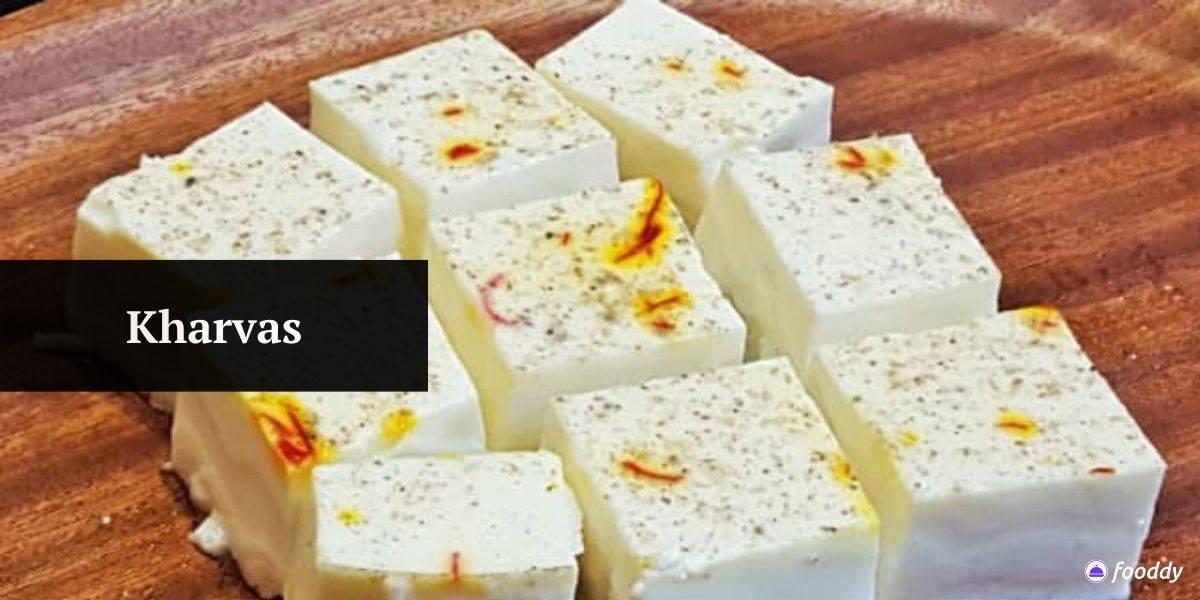
8 Kharvas Colostrum milk, cardamom, saffron Light, creamy pudding
Traditional Maharashtrian dessert that finishes the festive meal beautifully.
9 Tilachi Wadi Sesame seeds, jaggery Soft, fudge-like; melts in mouth
Softer alternative to chikki; popular festive sweet squares.
10 Sabudana Khichdi Sago (sabudana), roasted peanuts, mild spices Light, slightly chewy; comforting
Common fasting/snack dish that’s also enjoyed during Sankranti celebrations.


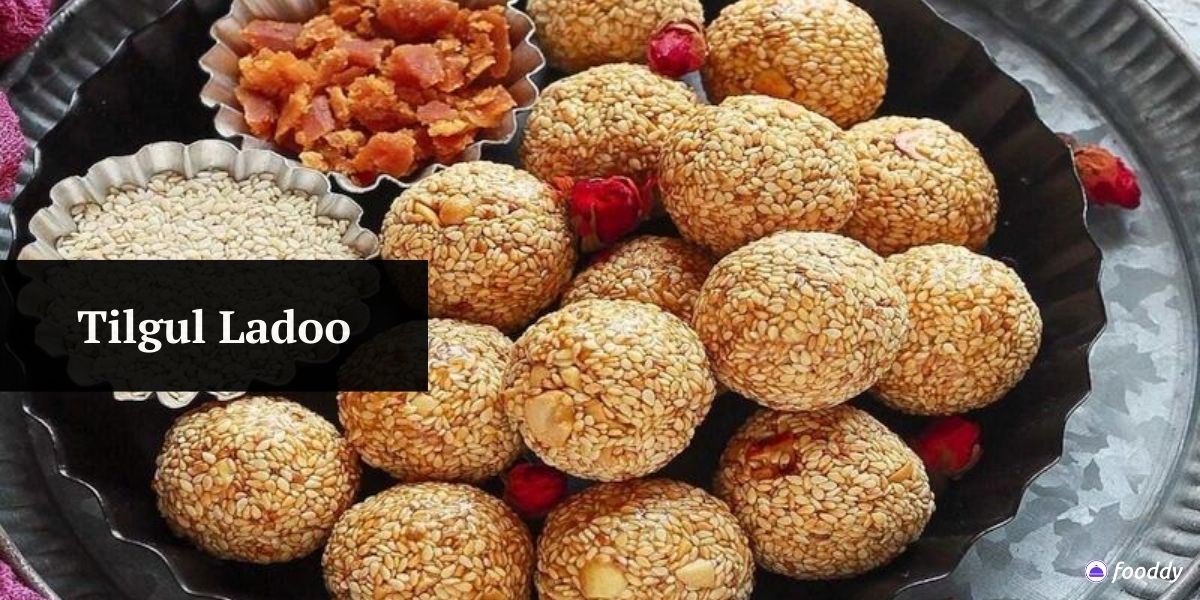
1. Tilgul Ladoo

Tilgul Ladoo - Sankranti food items in Maharashtra

Tilgul ladoos are a quintessential part of Makar Sankranti celebrations in Maharashtra. These sesame and jaggery sweets symbolize warmth, togetherness, and sweet communication. The phrase “Tilgul ghya, goad goad bola” (Take these sesame sweets and speak sweetly) is widely exchanged, spreading goodwill among people. Sesame seeds provide warmth during the cold season, while jaggery is a source of instant energy.

Related – Sankranti Sweets karnataka

2. Puran Poli

Puran Poli

Puran Poli is a sweet flatbread stuffed with a filling of jaggery and chana dal. This dish is a festive favourite, served with ghee to enhance its flavour. Its preparation requires patience and skill, making it a labor of love during Sankranti.

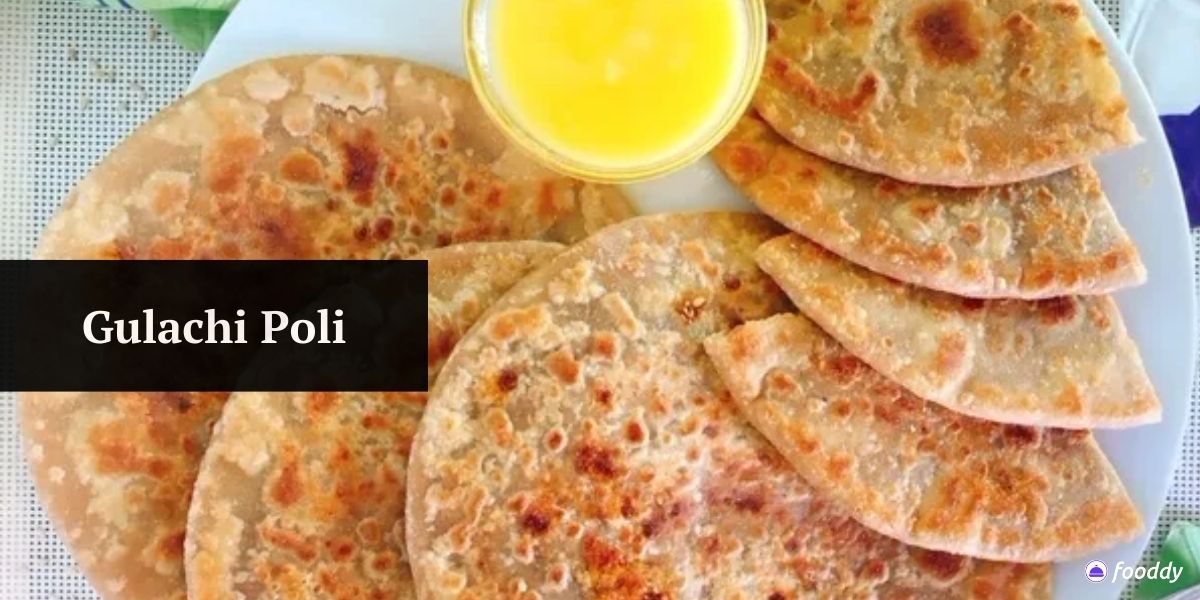
3. Gulachi Poli

Gulachi Poli - Sankranti food items in Maharashtra

Unlike Puran Poli, Gulachi Poli is a flat bread stuffed with jaggery and sesame seeds. The nutty flavour of the sesame and the sweetness of the jaggery are all harmoniously mixed for a beautiful treat. It is usually made in bulk and served for several days.

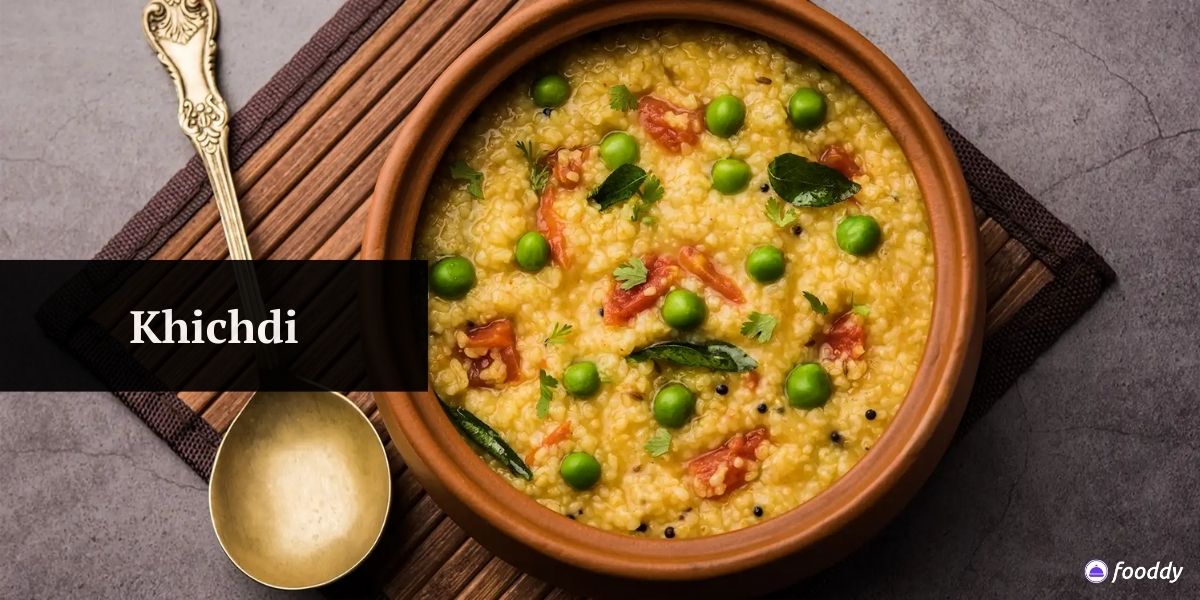
4. Khichdi

Khichdi

Khichdi is a comforting one-pot dish made with rice, moong dal, and seasonal vegetables. It is seasoned with mild spices and served with a dollop of ghee and pickles. Khichdi symbolizes simplicity and is considered a healthy, wholesome meal during the festival.

5. Tilachi Chikki

Tilachi Chikki - Sankranti food items in Maharashtra

Tilachi chikki is brittle and crunchy; it is a combination of sesame seeds and jaggery, giving it an extraordinary texture as well as a taste that would attract all. Chikkis have a shelf life that stretches into months; thus, the festive season brings convenience in taking a snack, like chikkis.

Check Out: Sankranti’s special food items in Andhra

6. Bajra Bhakri with Jaggery

Bajra Bhakri with Jaggery

Bajra Bhakri has been made from pearl millet flour. It is usually served with a side of jaggery and white butter. This combination gives warmth and nutrition, making it an indispensable part of the cold Sankranti seasons.

7. Shengdana Chikki – Sankranti Food Items in Maharashtra

Shengdana Chikki - Sankranti food items in Maharashtra

Shengdana Chikki is a roasted peanut and jaggery-based crunchy sweet snack that is easy to make, rich in protein and loved by all as much as children and adults.

8. Kharvas

Kharvas

Kharvas is a milk pudding prepared from colostrum milk, flavoured with cardamom and saffron. It is a very light, creamy dessert that completes the festive meal in Maharashtra.

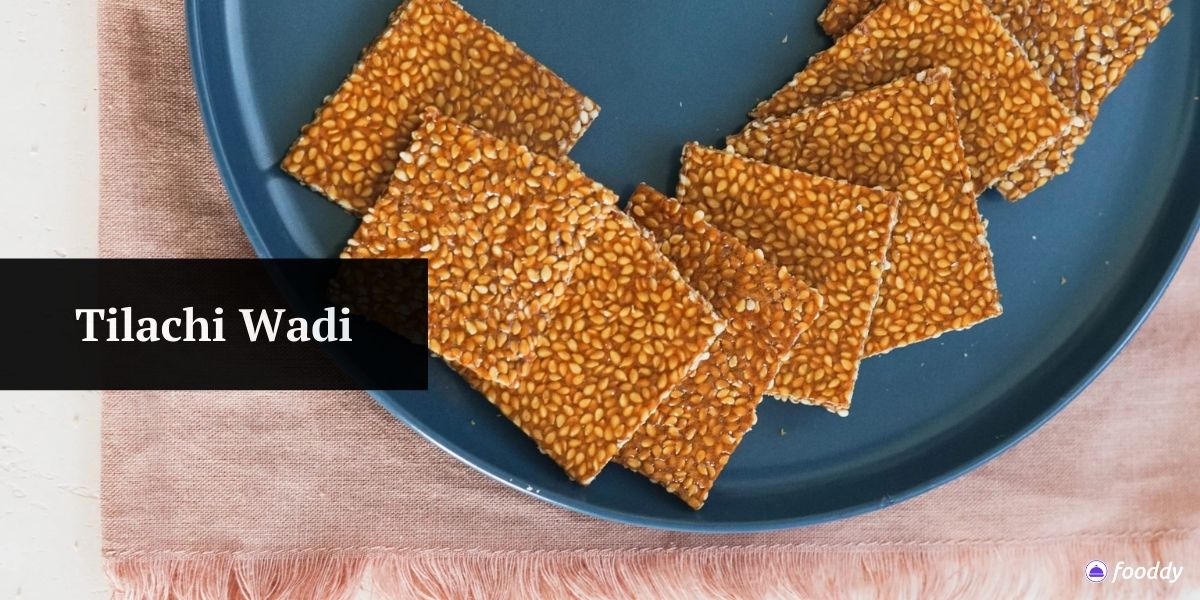
9. Tilachi Wadi


Tilachi Wadi

Tilachi Wadi are fudge-like squares made with sesame seeds and jaggery. These are softer than Chikki and have a melt-in-the-mouth texture, making them an irresistible festive treat. 

Do Check Out – Sankranti Special Food Items in Telangana

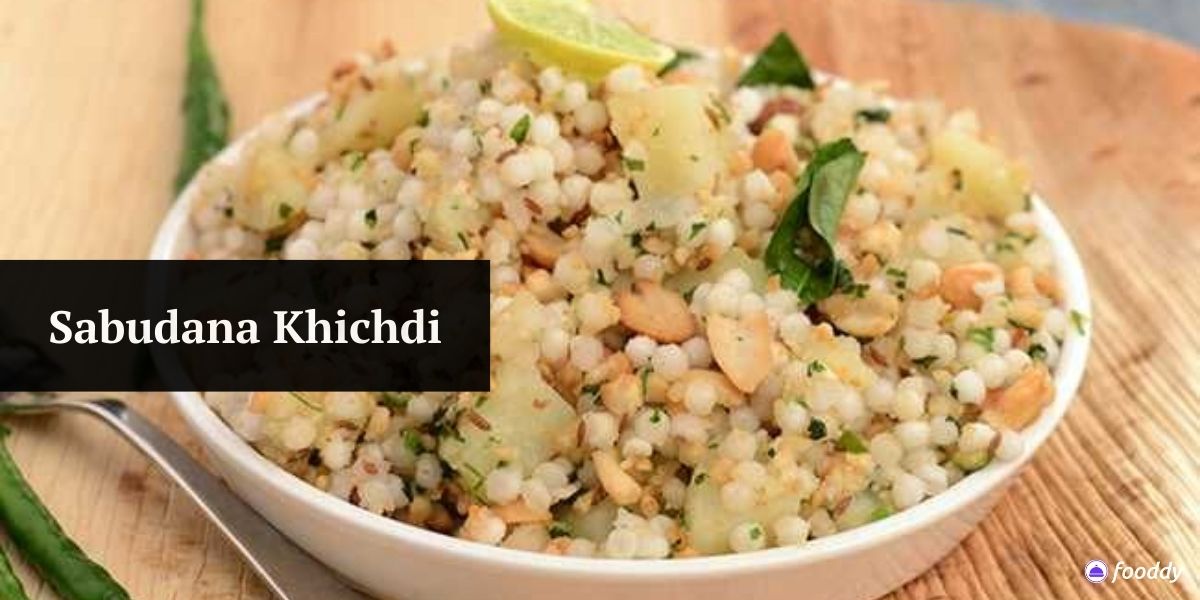
10. Sabudana Khichdi – Sankranti Food Items in Maharashtra

Sabudana Khichdi - Sankranti food items in Maharashtra

Sabudana Khichdi, made from sago pearls, roasted peanuts, and mild spices, is a versatile dish that can be served as a snack or a light meal. It is not only enjoyed during fasting days but also as part of Sankranti celebrations.

Sankranti Special Food Items in Maharashtra Veg

Maharashtra’s Sankranti celebrations come with lots of vegetarian delicacies that feature seasonal ingredients and cooking methods. Here are 10 must-have vegetarian dishes for the festival:

1. Tilgul Ladoo

Tilgul Ladoo stands as an authentic traditional dessert made from jaggery with roasted sesame seeds that represent the connection among relatives during winter seasons. The tiny circular ladoos combine enjoyable taste with important nutritional benefits that defend the body against winter coldness. Tilgul Ladoo becomes a vital tradition of Makar Sankranti since it contains important nutrients including iron as well as calcium and healthful fats which frequently get exchanged between family members and friends through the message “Tilgul ghya, god god bola.”.

2. Puran Poli

The traditional flatbread Puran Poli presents a golden appearance through its softness as it contains Bengal gram chana dal filling which incorporates jaggery cardamom along with nutmeg along with spices.

The popular Maharashtrian traditional dish gets its rich flavor by using ample ghee when cooking it on a griddle. People enjoy eating this sweet treat with either ghee drizzled on top or hot milk as its side dish which provides a comforting experience to celebrate the Sankranti festival.

Do Check Out – Traditional Sankranti Sweets of Andhra Pradesh 

3. Khichdi

Khichdi comprises nutritive food prepared from rice combined with lentils while including seasonal vegetables such as carrots peas and beans to make it more nourishing. The combination of turmeric cumin and ginger spices creates a delicate ensemble that finishes the dish while heating the body because the ingredients are easy to digest.

Inside the Sankranti festivity, traditional housewives create basic but sustaining meals to warm the body and supply daily energy.

4. Bajra Bhakri

Bajra Bhakri presents itself as a dense traditional flatbread that derives its ingredients from pearl millet flour which Indian kitchen pantries stock for winter season use. The carbohydrate-rich bread works perfectly as a combination with jaggery and curd or butter for a healthful and comforting eating experience. Telanganites strongly believe that Bajra Bhakri brings both healthy minerals and delicious taste to their Sankranti food celebrations.

5. Gulachi Poli

Gulachi Poli represents an appetizing stuffed flatbread that resembles Puran Poli yet contains coconut together with jaggery as its special filling. The combination of jaggery with coconut in this dish results in an aromatic meal that fills both appetite and spirit. Soon after cooking with ghee on the tawa Gulachi Poli turns out soft and flavorful while providing a sweet festive experience to those who avoid spiciness.

6. Sabudana Khichdi

People enjoy eating Sabudana Khichdi during fasting periods because it includes sabudana, roasted peanuts, green chilies, and a lemon squeeze to enhance taste. The combination of curry leaves cumin and coriander results in a light-filling dish. As a gluten-free dish that contains high carbohydrate content Sabudana Khichdi provides substantial energy to energize celebrators or snackers during the Sankranti festivities.

7. Shengdana Chikki

The preparation of Shengdana Chikki involves roasting peanuts together with jaggery until they become brittle and form either rectangular or square-shaped bars. Shengdana Chikki stands as a classic winter delight that combines delectable taste with important nutritional substances including proteins and fats together with iron content. Those who prefer the combination of caramelized and nutty flavors should try Shengdana Chikki since it is a common Sankranti food in Telangana state.

8. Tilachi Wadi

The fudge texture of Tilachi Wadi results from its sesame seeds and jaggery ingredients which combine to make this Chikki variant softer than traditional versions. The delectable squares contain both cardamom and a ghee touch along with calcium and iron benefits that help people maintain their health during winter months.

Traditional food lovers will adore Tilachi Wadi because it brings festive diversity to Sankranti while providing nourishment as well as delightful indulgence.

9. Vegetable Pulao

Vegetable Pulao is an aromatic rice dish cooked with a medley of seasonal vegetables like carrots, beans, peas, and cauliflower, infused with whole spices such as cloves, cinnamon, and bay leaves. This lightly spiced, flavorful dish is an integral part of the Sankranti feast in Telangana, often paired with raita or kadhi for a balanced and satisfying meal. Its fragrant and comforting flavors make it a festive favorite.

10. Kadhi

Kadhi is a creamy and tangy yogurt-based curry thickened with chickpea flour (besan) and flavored with mustard seeds, curry leaves, and dried red chilies. Served hot with steamed rice or khichdi, this dish is both soothing and delicious. The probiotic-rich yogurt aids digestion, making Kadhi a comforting dish that is both flavorful and healthy, perfectly complementing the festive menu of Sankranti food items in Telangana.

Sankranti Food Items in Maharashtra for Lunch

The lunch during Sankranti in Maharashtra is a feast with a variety of dishes. Here are 10 food items usually enjoyed for a festive lunch:

1. Puran Poli

The traditional flatbread Puran Poli presents a golden appearance through its softness as it contains Bengal gram chana dal filling which incorporates jaggery cardamom along with nutmeg along with spices.

The popular Maharashtrian traditional dish gets its rich flavor by using ample ghee when cooking it on a griddle. People enjoy eating this sweet treat with either ghee drizzled on top or hot milk as its side dish which provides a comforting experience to celebrate the Sankranti festival.

2. Khichdi

Khichdi comprises nutritive food prepared from rice combined with lentils while including seasonal vegetables such as carrots peas and beans to make it more nourishing. The combination of turmeric cumin and ginger spices creates a delicate ensemble that finishes the dish while heating the body because the ingredients are easy to digest.

Inside the Sankranti festivity, traditional housewives create basic but sustaining meals to warm the body and supply daily energy.

3. Bajra Bhakri with Jaggery

Bajra Bhakri presents itself as a dense traditional flatbread that derives its ingredients from pearl millet flour which Indian kitchen pantries stock for winter season use. The carbohydrate-rich bread works perfectly as a combination with jaggery and curd or butter for a healthful and comforting eating experience. Telanganites strongly believe that Bajra Bhakri brings both healthy minerals and delicious taste to their Sankranti food celebrations.

4. Tilgul Ladoo

These delicious and nutrient-rich sesame and jaggery laddus are a signature treat of Makar Sankranti celebrations. They are often used to sweeten up the meal and are traditionally exchanged among friends and family as a symbol of goodwill and harmony. Whether enjoyed as a dessert after a hearty festive meal or as a quick energy-boosting snack during the day, Tilgul Ladoo is a must-have during the festival. Rich in iron, calcium, and healthy fats, they help keep the body warm during winter while satisfying your sweet cravings.

5. Gulachi Poli

Gulachi Poli is a delectable jaggery-stuffed flatbread that perfectly balances sweetness with the savory dishes of the festive feast. Made with whole wheat flour, grated jaggery, and hints of cardamom, this soft and aromatic bread is cooked on a griddle with ghee, enhancing its flavor and texture. Best enjoyed with a dollop of homemade butter or fresh cream, it adds a delightful sweetness to Sankranti food items in Telangana, making the meal even more special.
6. Vegetable Pulao

This aromatic and colorful rice dish is a fragrant blend of basmati rice, freshly chopped seasonal vegetables, and mild spices. Often cooked with whole spices like bay leaves, cloves, and cinnamon, vegetable pulao brings a subtle warmth and depth of flavor to the festive platter. Garnished with fried onions, nuts, and fresh coriander, it pairs beautifully with raita, kadhi, or a side of pickle for a complete meal experience. The balance of flavors and nutrition makes it a wholesome addition to Sankranti celebrations.

7. Kadhi

Kadhi is a tangy and flavorful yogurt-based curry thickened with chickpea flour (besan) and tempered with mustard seeds, dried red chilies, and curry leaves. The creamy and mildly spiced dish is often served with steamed rice or bajra bhakri, making it a comforting and wholesome meal during Sankranti. Kadhi is not just delicious but also aids digestion, thanks to its probiotic-rich yogurt content. Some variations also include pakoras (fritters), adding an extra layer of texture and taste to this beloved festive dish.

8. Aamti

Aamti is a comforting and flavorful Maharashtrian dal preparation made using toor dal (pigeon pea lentils), tamarind, jaggery, and an aromatic blend of spices. This dish brings a perfect balance of sour, spicy, and slightly sweet flavors, making it a staple during celebratory lunches. Traditionally served with steamed rice or jowar bhakri, Aamti enhances the meal with its rich and robust taste. The addition of kokum or tamarind gives it a distinct tanginess that pairs wonderfully with the overall festive spread.

9. Thecha

Thecha is a fiery and rustic Maharashtrian chutney made by pounding fresh green chilies, garlic, and roasted peanuts into a coarse paste. This spicy accompaniment is not just a flavor enhancer but also a test of one’s spice tolerance! Thecha adds a bold and punchy kick to the festive meal and is best enjoyed with bhakri or plain rice with ghee. Its simplicity, combined with its intense heat, makes it a beloved side dish among spice lovers.

10. Papad and Pickles

No authentic Maharashtrian thali is ever considered complete without the crispy crunch of roasted or fried papad and the tangy burst of homemade pickles. Papad, made from lentil or rice flour, adds a satisfying crispiness to the meal, while the pickles—prepared from raw mangoes, lemon, or mixed vegetables—provide a zesty contrast to the rich and hearty dishes. These accompaniments elevate the dining experience, offering bursts of texture and flavor that make every bite more enjoyable.
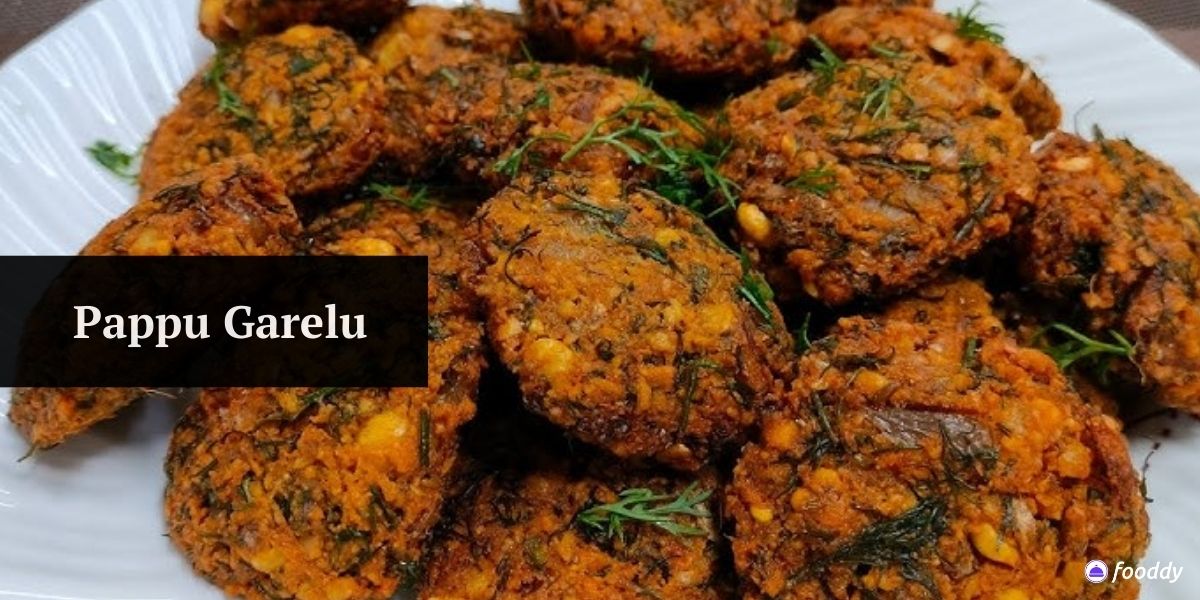
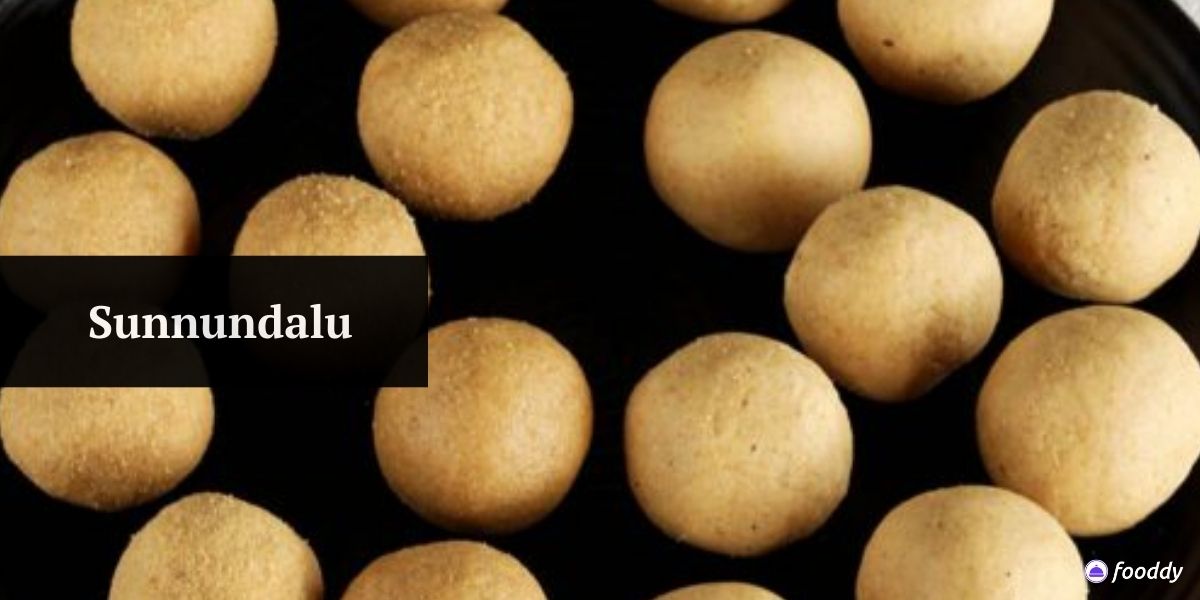
Conclusion for Sankranti Food Items in Maharashtra

Makar Sankranti in Maharashtra is a celebration of gratitude, unity, and the excellence of culinary delights. Traditional food items prepared here during the festivals expose the richness of the state’s heritage and stress the importance of seasonal ingredients. From sweet delicacies like tilgul ladoos and puran poli to hearty meals like khichdi and bajra bhakri, every dish gives a story about love and togetherness. The festival is not just about food but strengthening bonds with family and friends sharing these delightful dishes. By looking into these foods, you would really be getting a feel for the festive atmosphere of Sankranti in Maharashtra.

FAQs for Sankranti Food Items in Maharashtra

Q1. Why is Makar Sankranti so important in Maharashtra?

Ans:- Makar Sankranti is harvest time and is celebrated to thank the almighty for his bounty and usher in prosperity.

Q2. Which sweets are prepared in Sankranti in Maharashtra?

Ans:- Tilgul laddu, gulachi poli, and shengdana chikki are some of the most popular sweet dishes.

Q3. Are Sankranti dishes in Maharashtra vegetarian?

Ans:- Yes, of course, most of the Sankranti dishes in Maharashtra are vegetarian.

Q4. Can it be prepared for a vegan customer?

Ans:- If ghee is in vegan butter or oil and is free from using dairy products make the product a vegan item.

Q5: Where can one get Sankranti sweets in Maharashtra?

Ans:- Sankranti sweets may be bought locally from sweet shops, grocery shops, and now even online shops.

Q6. How long do Sankranti dishes last?

Ans:- Tilgul laddu and shengdana chikki are some sweets that can be kept for up to two weeks in an airtight container.

Q7. What is a traditional Sankranti lunch in Maharashtra?

Ans:- A traditional lunch comprises puran poli, khichdi, bajra bhakri, kadhi, and all festival sweets: tilgul laddu, gulachi poli, among others.


Sankranti Special Food Items in Telangana – Must-Try Festive Dishes for 2026

Sankranti Special Food Items in Telangana

Telangana maintains its own special cultural traditions for this event. The festival signals both the termination of winter months and the initial growth of extended periods of daylight during the Sun’s entry into Capricorn (Makara Rashi). Sankranti stands as a harvest festival where the Telangana population celebrates with enthusiastic devotion by conducting traditional customs alongside kite activities, cultural presentations, and preparing special delectable foods. Sankranti food items in Telangana showcase both the seasonal flavors and the diverse culinary traditions of the region, making the festival a true gastronomic delight. Telangana delivers its festive celebration food experience during the color-filled festival events

Makar Sankranti Special Food Items in Telangana

Every celebration of Sankranti needs traditional homemade food to complete the festivity. Traditional festivities in Telangana characterize Sankranti foods through robust tastes and traditional cooking methods and high-grade produce preparation. People commonly enjoy these famous dishes during Sankranti
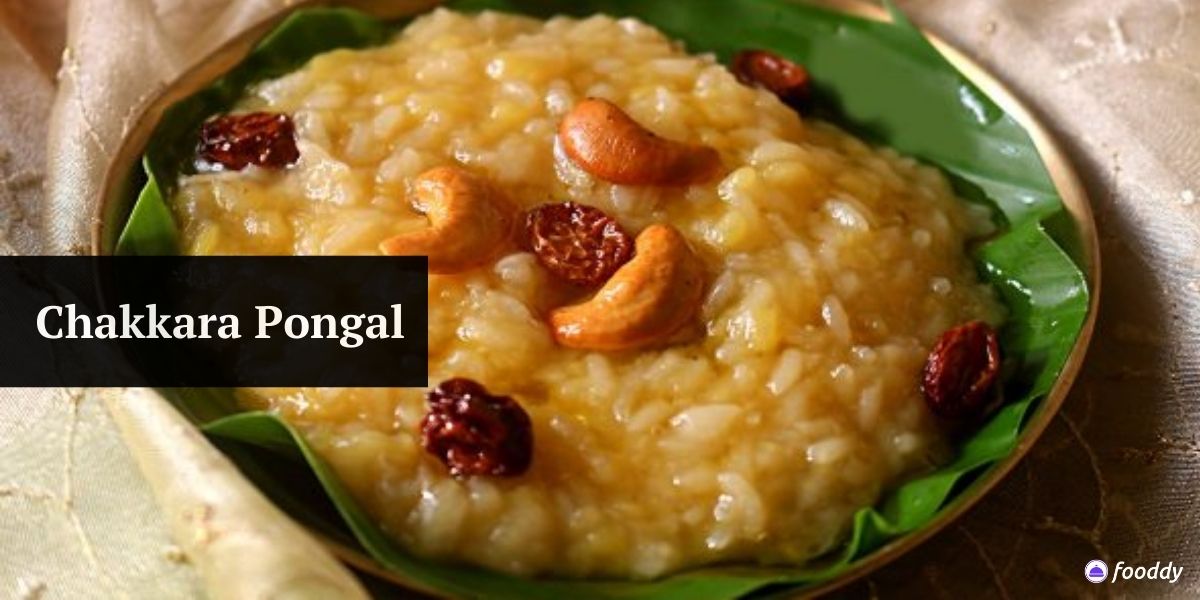
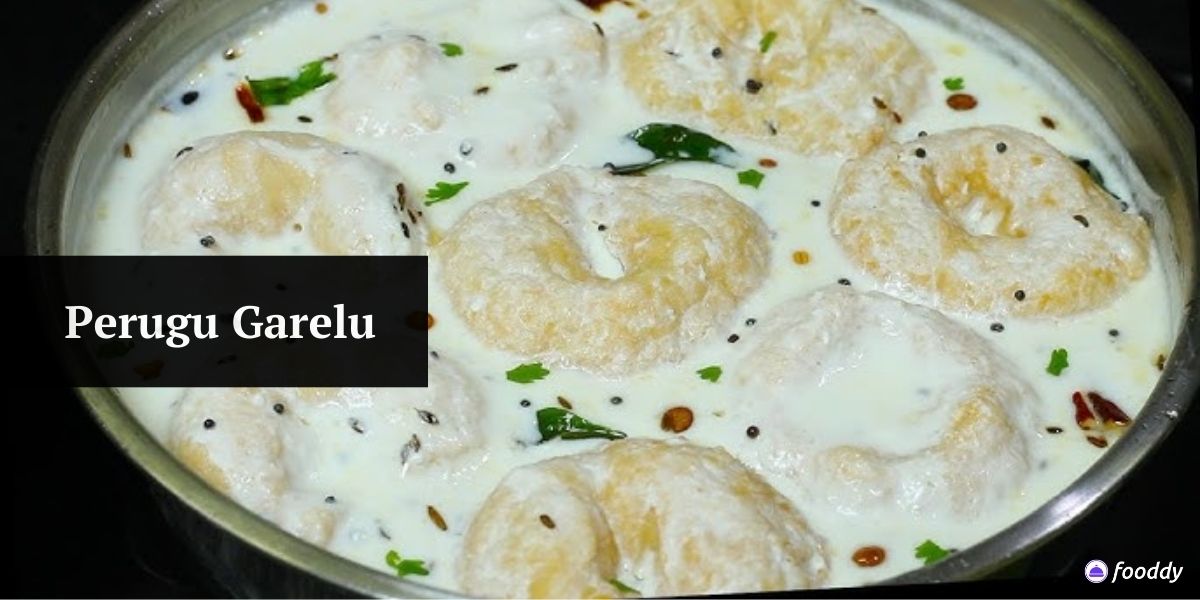
Dish Type Main Ingredients
Specialty During Sankranti
Sakkinalu Savory Snack Rice flour, sesame seeds, carom seeds
Crisp spirals prepared in bulk symbolize prosperity
Ariselu Sweet Rice flour, jaggery, sesame seeds
Chewy & crispy pancake sweet, shared with guests
Pongal Sweet & Savory Rice, jaggery, moong dal / rice, pepper, ghee
Offered to Sun God, enjoyed in both sweet & savory forms
Garelu Savory Snack Urad dal, spices
Deep-fried fritters, served with chutney & sambar
Pulihora Savory Rice Tamarind, sesame seeds, curry leaves, peanuts
Tangy tamarind rice, served as prasadam in temples
Bobbatlu Sweet Bread Chana dal, jaggery, cardamom, wheat flour
Soft festive flatbread, cooked with ghee
Sunnundalu Sweet Laddu Urad dal, jaggery, ghee
Healthy laddus loved by kids & elders alike
Boorelu Sweet Dumpling Rice flour, jaggery, chana dal
Golden fried dumplings offered in puja
Kobbari Louz Sweet Burfi Coconut, sugar, cardamom
Quick festive sweet with a rich coconut flavor
Paramannam Dessert Rice, jaggery, milk, dry fruits
Traditional rice pudding, first offered as naivedyam


1. Sakkinalu

Sakkinalu is one of the most iconic Sankranti snacks in Telangana. These crisp, golden spirals are made from rice flour mixed with sesame seeds, ajwain (carom seeds), and a pinch of salt. Deep-fried to perfection, they symbolize prosperity and togetherness. Families often prepare them in bulk before the festival and store them in tins to munch on throughout the festive days.

Also Read – Traditional Sankranti Sweets of Andhra Pradesh

2. Ariselu

A signature Sankranti sweet, Ariselu is a deep-fried pancake-like dessert prepared with rice flour and jaggery syrup. The crispy exterior and chewy interior make it irresistible. Sprinkled with sesame seeds, Ariselu is not only delicious but also a festive must-have prepared in large batches to be shared with neighbors, relatives, and guests.

3. Pongal

No Sankranti is complete without Pongal. In Telangana, both sweet Pongal (Chakkara Pongal) and savory Pongal (Ven Pongal) are relished. The sweet version blends rice, jaggery, and moong dal with ghee and cashews, while the savory version uses black pepper, curry leaves, and ginger. Both are cooked as offerings to the Sun God, marking gratitude for a bountiful harvest.

4. Garelu (Medu Vada)

Garelu, or medu vada, is a festive favorite made with urad dal batter. Shaped like doughnuts and deep-fried till golden, they are served hot with coconut chutney and sambar. Crispy on the outside and soft inside, garelu are considered auspicious and are offered during puja before being enjoyed by the family.

5. Pulihora

Tangy and flavorful, Pulihora is a Sankranti staple in Telangana households. Prepared with tamarind pulp, tempered with curry leaves, green chilies, and sesame seeds, and garnished with roasted peanuts, this dish balances sour, spicy, and nutty flavors. It is often served as prasadam in temples during the festival.

Related – Sankranti Sweets karnataka

6. Bobbatlu (Puran Poli)

Bobbatlu is a festive sweet flatbread stuffed with chana dal and jaggery filling, flavored with cardamom. Cooked on a hot griddle with ghee, this dish is both soft and rich, making it a highlight of Sankranti feasts. Families often prepare bobbatlu in large numbers to serve guests who visit during the celebrations.

7. Sunnundalu

Nutritious and wholesome, Sunnundalu are laddus made from roasted urad dal, jaggery, and ghee. Known for their energy-boosting qualities, these laddus are especially prepared for children and elders, combining taste with health benefits.

8. Boorelu

Boorelu are deep-fried dumplings stuffed with jaggery and chana dal filling, coated in rice flour batter. Golden and crispy on the outside with a sweet surprise inside, these dumplings are an inseparable part of festive offerings to deities and a delight to eat with family gatherings.

9. Kobbari Louz (Coconut Burfi)

Kobbari Louz is a melt-in-the-mouth sweet made with grated coconut, sugar, and cardamom. Simple yet aromatic, it carries the essence of tradition and is one of the quickest Sankranti sweets prepared in Telangana households.

10. Paramannam

Paramannam is a traditional rice pudding made with rice, jaggery, milk, and dry fruits. Considered a sacred offering, it is prepared first as naivedyam to the gods before being shared with family. The creamy sweetness and festive touch make it a must-have dish during Sankranti celebrations.

Sankranti Special Food Items in Telangana with Price

All Sankranti foods available in Telangana can be found within this estimated price scale.

Food Item Approximate Price (INR)
Sakkinalu 300 – 400 per kg
Ariselu 350 – 450 per kg
Sweet Pongal 200 – 300 per serving
Savory Pongal 150 – 250 per serving
Garelu 150 – 200 per dozen
Pulihora 100 – 150 per serving
Bobbatlu 300 – 400 per dozen
Sunnundalu 400 – 500 per kg
Boorelu 300 – 400 per kg
Paramannam 150 – 250 per serving

Distressed stores around my area and purchasing platforms sell ready-made sets which feature special sweets for Sankranti celebrations and holidays.

Sankranti Special Food Items in Telangana Veg

Telangana celebrates Sankranti by offering several vegetarian dishes to its residents. Get to know these five essential vegetarian dishes to eat at Pongal celebrations.

1. Sweet Pongal

Sweet Pongal is the heart of every Sankranti feast. Prepared with rice, moong dal, jaggery, ghee, and a touch of cardamom, this dish fills the air with an irresistible aroma. The creamy texture, balanced sweetness, and roasted cashews on top make it a true festive comfort food that families eagerly look forward to every year.

2. Pulihora

Pulihora, or tamarind rice, brings a burst of tangy and spicy flavors to the Sankranti platter. The mix of tamarind pulp, curry leaves, and crunchy peanuts makes it a dish that everyone loves to scoop up. Beyond its taste, Pulihora carries tradition—it’s a dish that feels like home, comforting and satisfying in every bite.

3. Garelu

Golden, crispy on the outside and soft inside, Garelu (medu vada) is a festive must-have. Made with urad dal batter and deep-fried to perfection, they are best enjoyed with coconut chutney or piping hot sambar. On Sankranti mornings, families often gather around as these fritters come out fresh from the pan, making the celebration even more delightful.

Do Check Out – Sankranti Special Food Items in Karnataka

4. Sunnundalu

These laddus are not just sweets—they’re little balls of nourishment. Made with roasted urad dal, jaggery, and ghee, Sunnundalu are both healthy and delicious. Mothers and grandmothers often prepare them in bulk during Sankranti, lovingly rolling each laddu by hand, making them a symbol of warmth and care in the festival spread.

5. Kobbari Louz

Kobbari Louz, the traditional coconut burfi, is a sweet that instantly melts in the mouth. With its perfect blend of grated coconut, sugar, and cardamom, it delivers both crunch and sweetness. For many, this treat brings back childhood memories of Sankranti celebrations, when plates of these burfis were shared with neighbors and guests as a gesture of joy and togetherness.

Conclusion

People in Telangana celebrate Sankranti through activities that preserve their roots and connect family members together. Participating in Sankranti food preparation unites family members who share a unified meal. During Sankranti Telangana residents showcase their food diversity through preparations of savory sakkinalu and garelu plus sweet ariselu and bobbatlu. Your choice between homemade and local store-bought Sankranti delicacies will strengthen the festive spirit as these classic cuisines stay with you forever.

FAQs for Sankranti Food Items in Telangana

Q1. Why do people in Telangana observe Makar Sankranti?

Ans:- During Makar Sankranti people celebrate the sun god by giving thanks for a bountiful harvest.

Q2. People of Telangana eat what dishes specifically during Sankranti celebrations?

Ans:- People in Telangana enjoy Sankranti festivals by eating Sakkinalu desserts, ariselu treats, sweet pongal, meatballs called garelu, and special bobbatlu.

Q3. Are these Sankranti dishes vegetarian?

Ans:- Telangana people make only vegetarian Sankranti meals based on rice with jaggery and lentils and then add various spices.

Q4. You can now purchase Sankranti food items through internet shopping platforms.

Ans:- You can find packages and celebration baskets of Sankranti foods for sale both from digital platforms and traditional sweet stores.

Q5. What is the common storage duration for Sankranti dishes?

Ans:- You can keep sakkinalu, ariselu, and sunnundalu fresh for the next 10 days when you store them in a sealed container.

Q6. Are Sankranti dishes healthy?

Ans:- Sankranti dishes get their health from jaggery and lentil meals combined with rice. You should only consume these dishes in limited amounts.

Q7. Which is the smartest method to mark Sankranti festivities in Telangana?

Ans:- Traditional food preparation, kite flying, and family gathering mark the ideal way to celebrate Sankranti.


Sankranti Special Food Items in Andhra – Traditional Dishes You Must Try in 2026

Sankranti Special Food Items in Andhra

Sankranti, also known as Makar Sankranti, is one of the most flamboyant and widely recognized festivals in Andhra Pradesh. It is a harvest festival that marks the sun’s entry into the Capricorn zodiac sign (Makara Rashi) and heralds the arrival of longer days. It is celebrated with high spirits and regular rituals amid colourful decorations and most importantly, delicious festive food. Food is at the centre stage of the celebrations, with items in every household generously representing the regional culinary tradition. Let us dive into the special Sankranti food items prepared in Andhra Pradesh and distinguish what makes them special. 

Sankranti Special Food Items in Andhra Pradesh

During Sankranti, the kitchen of every house in the state of Andhra is lively with different dishes getting ready. They are a mix of festive spirit the wisdom of seasonal ingredients and traditional ways of cooking. Some of Sankranti’s traditional food items are.

Sr. No Sweet / Dish Key ingredients Texture / Taste
Why it’s special (Sankranti)
1 Ariselu Rice flour, jaggery (deep-fried) Crispy outside, soft & chewy inside
Made in large batches as it lasts longer; shared with friends/relatives as a symbol of love and prosperity.
2 Sakkara Pongal Rice, moong dal, jaggery, ghee, cardamom, cashews, raisins Rich, sweet, aromatic (ghee + cardamom)
A classic festive sweet pongal; commonly served as a Sankranti dessert.
3 Garelu (Medu Vada) Urad dal batter (deep-fried) Crispy, savory fritter
Staple in Sankranti meals; eaten as breakfast/snack/part of a grand meal with chutney or sambar.
4 Pulihora (Tamarind Rice) Rice, tamarind, spices/seasoning Tangy, spicy, salty balance
Must-have festive dish; often offered to deities first, then shared with family.
5 Pongali (Savory) Rice, lentils, spices/tempering, ghee Savory, comforting, ghee-rich
Popular savory counterpart to sweet pongal; served with coconut chutney or pickle.
6 Pappu Garelu Toor dal (thicker vada style) Thick, hearty, unique bite
Medu vada variant; commonly served with coconut chutney or spicy powders (like parapodia).
7 Sunnundalu Roasted urad dal, ghee, jaggery Dense, nutty, sweet; energy-rich
Protein-rich laddus made in bulk and stored for later snacking during Sankranti.
8 Boorelu Outer dough (deep-fried), filling: chana dal, jaggery, coconut Crisp outside with sweet lentil filling
Prepared as an offering to deities; enjoyed as a festive sweet after rituals.
9 Chakkara Pongal Rice, moong dal, sugar (instead of jaggery), ghee, garnishes Sweet but milder than jaggery version
Sweet pongal variation preferred by those who like a lighter, less jaggery-heavy sweetness.
10 Perugu Garelu Garelu soaked in seasoned yogurt Cooling, sourish, soft + crispy mix
Refreshing festive favorite; balances flavors and textures beautifully.


1. Ariselu

Ariselu

Ariselu is a Sankranti sweet made out of rice flour and jaggery, deep-fried. The outside is crispy, while the inside remains soft and chewy, bringing joy to people of all ages. It is made on a larger scale as they last longer and can be shared with close friends and relatives, as a symbol of love and prosperity. 

2. Sakkara Pongal

Sakkara Pongal

Sakkara Pongal, or sweet pongal, is a quintessential breakfast. Based on rice, moong dal, jaggery, and ghee, this preparation is especially festive as it is garnished with cashews and raisins. The many flavours produced by cardamom and ghee make it a desirable dessert.

Also Read – Traditional Sankranti Sweets of Andhra Pradesh 

3. Garelu (Medu Vada)

Garelu (Medu Vada) - Sankranti Special Food Items in Andhra

These crispy lentil fritters have become an integral part of any Sankrant celebration. Made with urad dal batter and deep-fried, garelu can be served with chutneys or sambar. They are made versatile to be eaten as breakfast, snacks, or as an element of the grand meal. 

4. Pulihora

Pulihora

Pulihora, or tamarind rice, is a tangy and flavorful dish that perfectly balances sour, spicy, and salty flavors. It is a must-have in the festive spread and is often prepared as an offering to the deities before being shared with the family.

5. Pongali

Pongali - Sankranti Special Food Items in Andhra

Besides the sweet Pongal, savoury Pongali gains acclaim in its own right. Prepared with rice and lentils and tempered with spices, this dish assumes a very special taste with the addition of ghee. Treats for many, it is usually served with coconut chutney or pickle. 

6. Pappu Garelu

Pappu Garelu

These are a variation of mendu vada and are made from toor dal and are somewhat thicker in texture. They are of a unique consistency and are usually served with coconut chutney or spicy powders like parapodia.

7. Sunnundalu

These protein-rich laddus are made from roasted urad dal and mixed with ghee and jaggery. Not only are they delicious, but they are also nutritious and often made in bulk during Sankranti. They are made in heaps and then stored away for eating at leisure. 

Must See – Sankranti Sweets karnataka 

8. Boorelu

Boorelu - Sankranti Special Food Items in Andhra

Boorelu are deep-fried dumplings filled with a sweet lentil mixture. These are prepared as an offering to deities and are later enjoyed as part of the festive meal. The filling typically consists of chana dal, jaggery, and coconut, providing a delightful sweetness.

9. Chakkara Pongal

Chakkara Pongal

Chakkara pongal is another variation of sweet pongal. This dish differs in taste because it uses sugar instead of jaggery. It is often preferred by those who enjoy milder sweetness.

10. Perugu Garelu

Perugu Garelu - Sankranti Special Food Items in Andhra

This interesting dish requires soaking garelu in seasoned yoghurt to make a cooling and sourish delicacy. It is a perfect balance of flavours and textures, which makes it a favourite during the festive season.

Sankranti Special Food Items in Andhra Pradesh with Price

People make most of their Sankranti food at home but they also obtain sweets and snacks by purchasing them from neighborhood stores and online marketplace. Popular Sankranti food items in Andhra Pradesh are available at these estimated prices. 

Food Item Approximate Price (INR)
Ariselu 300 – 400 per kg
Sakkara Pongal 200 – 300 per serving
Garelu 150 – 250 per dozen
Pulihora 100 – 150 per serving
Sunnundalu 400 – 500 per kg
Boorelu 300 – 400 per kg
Chakkara Pongal 200 – 300 per serving
Perugu Garelu 150 – 250 per serving

The combination of sweets is available in festive hampers which local sweet shops and online stores sell as pre-packaged offerings for people who want ready-to-go options. Furthermore, the hampers contain different specialties that reflect different regional traditions so various consumers can find something they enjoy.

Related: New Year Buffet in Hyderabad

Unique Recipes for a Memorable Sankranti Festival

Here are a couple of unique recipes that you can try at home to make your Sankranti celebrations even more special:

Recipe 1: Ariselu

Ingredients:

  •  1 kg rice
  •  500 g jaggery
  • 1 cup of water
  • 1 tsp cardamom powder
  • Oil for deep-frying

Method:

  1. Soak the rice for six hours, drain, and make the fine powder.
  2. Melt jaggery in water and filter the dissolved jaggery to remove impurities.
  3. The consistency of the boiled jaggery syrup should be soft-ball.
  4. Combine the syrup or molasses with rice flour to make a dough.
  5. Roll small portions of the dough into flat discs.
  6. Fry in hot oil until golden brown. Cool and store in an airtight container. 

Do Check Out – Sankranti Special Food Items in Karnataka

Recipe 2: Sakkara Pongal

Ingredients:

  • 1 cup rice
  • 1/4 cup moong dal
  • 1 cup jaggery
  • 2 tbsp ghee
  • 10 cashews
  • 10 raisins
  • 1/2 tsp cardamom powder

Method:

  1. First, wash the rice along with the moong dal. Then, add water and pressure cook until soft.
  2. Similarly, melt the jaggery in water, strain it, and add it to the rice-dal mixture.
  3. Lastly, stir and cook until thickened.
  4.  Add ghee, grind cashews with cardamom, and sprinkle the mixture into the pot. 
  5. Blend it well and remove it when warmed.

Recipe 3: Pulihora

Ingredients:

  • 2 cups cooked rice 
  • 2 tablespoons of tamarind paste
  • 2 green chillies chopped
  • 1/2 teaspoon of mustard seeds
  • 1/2 teaspoon of turmeric powder
  • Curry Leaves
  • 2 tablespoons of oil

Method:

  1. Put oil in a pan and place on flame. Once hot, add the mustard seeds and allow them to splutter.
  2. Add the green chillies, curry leaves, and turmeric powder to the pan.
  3. After that, add the tamarind paste and cook stirring constantly for about five minutes.
  4. Then add the rice and blend well.
  5. Pulihora is served with peanuts or fried whole cashews on top and is garnished while still hot.

Conclusion for Sankranti Special Food Items in Andhra

For the people of Andhra Pradesh, Sankranti is more than just a celebration; it is the quintessential symbol of culture, tradition and unity. The specialities prepared during this festival are not just meant for consumption but also bring people together as the entire family gets involved in the preparation and sharing of food. During the festival, Sankranti sweets like arise and sunnundalu are cherished and angrily fought over while adults pulverize children with savoury snacks like garelu and pulihora.

Whether they are busily preparing for guests at home or restocking at the local sweet shop, everyone goes out of their way to ensure these signature dishes are had during the holiday.

FAQs for Sankranti Special Food Items in Andhra

Q1. Why do Andhra people celebrate Sankranti?

Ans:- The Sankranti marks harvest time, wherein the people pray to the god of the sun and nature for harvesting well.

Q2. What is the relevance of food items during Sankranti?

Ans:- Food has an integral part in any festival related to harvesting, along with spreading fun with family members and friends, by cooking foodstuffs. These traditional recipes are made out of fresh produce, available seasonally.

Q3. Can these Sankranti dishes be prepared without animal products?

Ans:- Yes, most recipes can be made vegan by substituting ghee with vegan butter or oil and eliminating dairy ingredients.

Q4. In Andhra Pradesh, from where can I get Assam sweets?

Ans:- Sankranti sweets may be purchased from local sweet shops or online retailers selling gift packs for seasons.

Q5. For how many days can these preparations made for Sankranti be eaten without turning bad? 

Ans:- Most of the preparations like doughnuts, ariselu and sunnundalu can remain fresh for up to a week in an air-tight jar.

Q6. Are they healthy?

Ans:- Many preparations use jaggery, dal and rice are good, though the calories are very high; it has to be taken with restrictions.

Q7. Which is the actual way of celebrating Sankranti?

Ans:- It is by attending traditional rituals, making festive foods, and spending quality time with loved ones.