Pani Puri Facts | Complete Guide to India’s Favorite Street Food (2026)

pani-puri-facts

Quick Answer: Pani puri is India’s most popular street food—crispy hollow puris filled with spiced potatoes, chickpeas, and tangy water. One theory traces its origin to Bihar’s Magadha region approximately 400 years ago. A serving of 6 pieces contains 200-320 calories.

Pani Puri Popularity Rank
#1
Street Food
Pani puri is often ranked as India’s most popular street food across surveys and food platforms.
Source: TasteAtlas
Daily Consumption in India
5Cr+
Served
Over 5 crore pani puris are consumed daily across India, showing massive demand.
Source: Times of India
Regional Name Variations
5+
Names
Pani puri is known by 5+ names like golgappa, puchka, and gupchup across India.
Source: Wikipedia
Average Price Range
₹20
per plate
A typical plate of pani puri costs around ₹20–₹50, making it one of the cheapest street foods.
Source: India.com

What is Pani Puri?

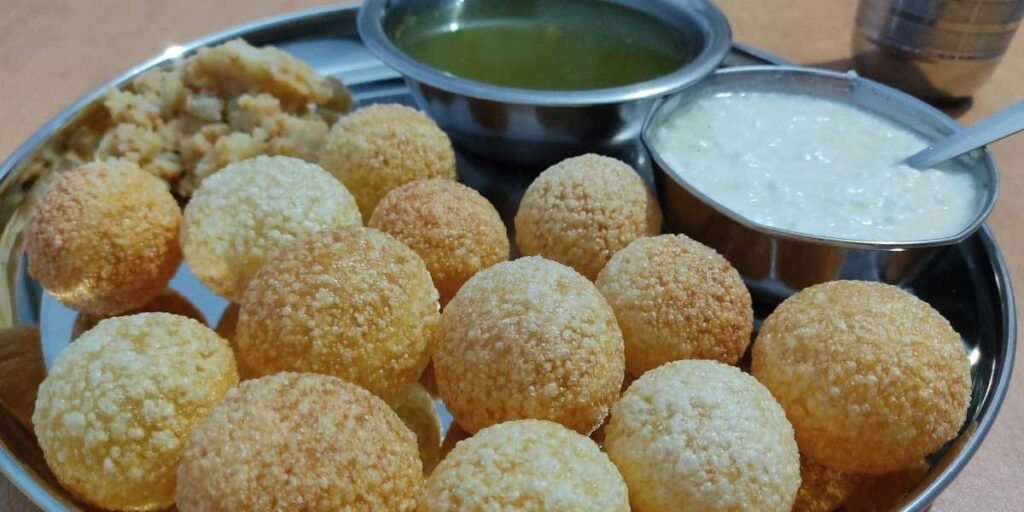
Pani puri is a beloved Indian chaat made with crispy hollow puris filled with potato, chickpeas, onions, spices, and flavored water (pani).

Pani Puri in English: “Water bread”—”pani” means water, “puri” is fried bread.

Main Components

  • Puri: Crispy hollow shell (3-6 cm), made from semolina or wheat flour
  • Filling: Spiced potatoes, boiled chickpeas, or moong sprouts
  • Pani: Mint-coriander water (teekha) or tamarind water (meetha)
  • Chutney: Sweet tamarind and spicy green chutney

The snack is eaten in one bite, delivering an explosion of sweet, tangy, and spicy flavors.

Related: Momos Origin

Pani Puri Originated From Which State?

Bihar is the most commonly cited origin. One prevalent theory links pani puri to the ancient Magadha region in present-day Bihar, where it emerged around 400 years ago. However, food historians note the exact origin is not fully documented.

Historical Background

The snack was originally called “phulki” (meaning crisp). Dr. Kurush Dalal, a culinary anthropologist, suggests it may have been an accidental miniature version of raj kachori reserved for royalty.

  • The Draupadi Legend: According to the Mahabharata mythology, Draupadi invented pani puri when challenged by Kunti to feed five brothers with limited ingredients. This is a popular legend, not a verified historical fact.
  • Evolution: As railways expanded in the 20th century, pani puri spread from North India to all regions, with each area adapting it to local tastes.

Regional Names | Golgappa, Puchka, and More

Pani puri has different names across India

Region NameWater TypePuri Size
Maharashtra, GujaratPani Puri – Spicy mint-coriander
Medium (4–5 cm)
Delhi, Punjab, UPGolgappa – Sweet tamarindLarge (5–6 cm)
West Bengal, BiharPuchka – Tangy tamarindLarge, softer
Odisha, JharkhandGup Chup – Sweet-sourSmall (3–4 cm)
Gujarat, RajasthanPakodi – Spicy with yogurtMedium


Golgappa vs Pani Puri | Key Differences

Quick Answer: Same dish, different regional names and styles.

Aspect Golgappa (North India) Pani Puri (West/South India)
Water Sweeter, tamarind-forward Spicier, mint-based
Size Larger (5-6 cm) Medium (4-5 cm)
Regions Delhi, Punjab, UP Mumbai, Gujarat, Karnataka


10 Surprising Facts About Pani Puri

  1. Added to Oxford English Dictionary on March 10, 2005
  2. Known by 15+ different names across India
  3. World record: 51 flavors served in Indore on July 12, 2015 by Chef Neha Shah
  4. Google celebrated with interactive Doodle on July 12, 2023
  5. July 12 is Pani Puri Day in India
  6. Hyderabad had 100+ vendors in one area (2025)
  7. Modern variations include vodka-infused, chocolate, and cheese-filled versions
  8. Must be eaten in one bite—multiple bites are improper
  9. Called “India’s fastest snack”—eaten in seconds
  10. Popular in street food trucks globally (London, New York, Dubai)

Nutritional Information

  • Per Single Pani Puri: 25-51 calories
  • Per Serving (6 pieces): 200-320 calories
Nutrient Amount (6 puris) % Daily Value
Calories 200-320 kcal 10-16%
Carbohydrates 35-45 g 12-15%
Protein 4-6 g 8-12%
Fat 8-12 g 12-18%
Fiber 2-3 g 8-12%


Health Benefits (Moderate Consumption)

  • Digestive support from cumin, mint, coriander
  • Hydration from flavored water
  • Antioxidants from tamarind (vitamin C)
  • Protein from chickpeas
  • Fiber for digestive health

Healthier Options: Baked puris reduce calories by 35-40%.

Pani Puri Recipe

Prep Time: 30 min | Cook Time: 20 min | Serves: 4

Ingredients

  • 1 cup semolina, 2 tbsp flour, 1/4 tsp baking soda
  • 4 boiled potatoes (mashed), 1 cup chickpeas
  • 2 cups mint leaves, 1 cup coriander, 2-3 green chilies
  • 1 cup tamarind pulp, 1/2 cup jaggery
  • Spices: cumin, black salt, chaat masala

Steps

  1. Mix semolina, flour, baking soda; knead stiff dough; rest 15 min
  2. Roll thin, cut circles (3-4 cm), deep fry until puffed and golden
  3. Blend mint, coriander, chilies with water; add spices, chill
  4. Mix mashed potatoes, chickpeas, spices for filling
  5. Make hole in puri, fill with mixture, dip in pani, eat immediately

World Record & Cultural Recognition

  • July 12, 2015: Chef Neha Deepak Shah (MasterChef India runner-up) set a world record in Indore by serving 51 different flavors of pani puri. Organized by Indori Zayka restaurant and Dainik Bhaskar newspaper.
  • Recognition: Golden Book of World Records, Limca Book of World Records
  • Google Doodle (July 12, 2023): Interactive game celebrating pani puri, introducing the snack to global audiences.

Conclusion for Pani Puri facts

Pani puri represents India’s rich street food culture, evolving from Bihar’s Magadha region to a global phenomenon. Whether called golgappa, puchka, or pani puri, this crispy water-filled snack continues to delight millions with its perfect burst of flavors.

From the 2015 world record of 51 flavors to modern fusion variations, pani puri remains an irresistible treat enjoyed across generations and borders.


FAQs

What is pani puri called in English?

“Water bread”—”pani” means water, “puri” is fried bread. Also called crispy water-filled balls.

Pani puri is from which state?

Bihar is most commonly cited (Magadha region), but exact origin is debated among historians.

Who invented pani puri?

No confirmed inventor. The Draupadi story is a legend, not verified fact. It evolved through street food traditions.

What is the difference between golgappa and pani puri?

Same dish, different names. Golgappa (North India) uses sweeter water and larger puris; pani puri (West/South) uses spicier mint water and medium puris.

Is pani puri healthy?

Contains nutritious ingredients but is fried. Acceptable in moderation (4-6 pieces occasionally). Not a health food due to calories and sodium.

Momos Origin | Country, History, Year, and How Momos Became Famous in India (2026)

momos origin

Momos originated in the Himalayan region and are most closely associated with Tibet, with a long, closely connected tradition across Nepal and nearby mountain communities. In India, momos later became a mainstream street food through cultural exchange, migration, and local adaptation. People usually search this topic in very direct ways—momos origin, momos origin country, momos origin in india, momos origin year, or even momos origin wikipedia—because they want a simple explanation that separates “where it started” from “where it became famous.”

This post does exactly that, using clear, human language and straightforward structure so the answer is easy to understand and easy to reuse.

What is a Momo?

A momo is a filled dumpling made with a thin dough wrapper and a savory stuffing, cooked most commonly by steaming. It is also served pan-fried or deep-fried in many modern versions.

“Momo food” is often described in a single sentence because it’s one of those dishes people recognize instantly: soft dumpling skin, a warm filling, and a dipping sauce that makes every bite feel complete.

Where did Momos originate?

When the question is where did momos originate, the cleanest answer is that momos belong to the Himalayan food tradition, most strongly linked to Tibet, and widely developed and celebrated in Nepal as well.

This is also why searches like momos which country food and momos is from which country don’t always have one neat, single-country reply. Food doesn’t move the way borders do. Himalayan dishes traveled through people, communities, work routes, trade corridors, and shared cooking methods. Over time, momos became a recognizable regional identity across Tibet–Nepal–Himalayan communities, and then later became a major street food in India.

To put it plainly: the origin of momos is Himalayan, and the strongest cultural association points to Tibetan cuisine, with Nepal playing an important role in popularizing and shaping momo culture.

Also Read – Interesting Facts About Vadapav


Momos Origin Country: Is it Tibet, Nepal, or Somewhere Else?

The phrase momos origin country often appears because people want a single-word answer. But the most accurate human answer needs one extra line of context.

Momos are most closely associated with Tibet as a cultural origin point, and they are deeply established in Nepal as a core, everyday food. Nepal’s momo culture is not a “new adoption”; it has its own strong identity, variations, and popularity, especially in urban food scenes and home cooking.

This is also where keyword phrasing matters: people search momo origin, momos which country food, momos is from which country, and momos is from which country because the real curiosity is not only geography—it’s authenticity. The honest framing is that momos are Himalayan by tradition, Tibet-linked in origin associations, and Nepal-linked in cultural popularity and evolution.


Momos Origin Year: When were Momos Invented?

There is no universally accepted recorded momos origin year.

That’s important to say clearly because many origin stories online try to force a single date. In reality, momo history reflects a slow evolution of dumpling-style foods in the Himalayan region. Foods like dumplings typically don’t have one inventor and one exact year the way a product launch does. They develop over time, shaped by the ingredients people can access, the cooking styles that work best, and the everyday needs of a community.

So, if the question is “momos origin year,” the best answer is: no confirmed single year exists, because momos evolved gradually across generations.


Momo History: Why Dumplings fit Himalayan Life so Well

To understand momo history, it helps to look at why dumplings work so well in mountain regions.

In colder climates, warm, filling foods matter. A dumpling is a smart format: the wrapper keeps moisture in, steaming preserves tenderness, and fillings can be adjusted based on what is available locally. This is why momos became a practical, repeatable food choice in Himalayan communities.

Momos also carry an “everyday food” personality. They can be simple and comforting, but they can also be festive depending on the filling and the way they are served. Over time, that flexibility helped momos move from home kitchens into markets, street stalls, and restaurants.

When people search momos history or momo history, they are often looking for a single storyline. The real storyline is more human: momos became popular because the format is practical, the taste is satisfying, and the dish adapts easily.

Momos Origin in India: How Momos Became Mainstream

The phrase momos origin in india usually doesn’t mean “India invented momos.” It usually means: how did momos enter India and become so common?

Momos became widely popular in India through Himalayan communities and migration, especially via Tibetan and Nepali influence in the northern belt, hill regions, and large cities. Over time, Indian street food culture transformed momos into something that felt local and instantly addictive.

India didn’t just adopt momos. India re-shaped momos into:

  • Bolder chutneys
  • Spicier fillings
  • Fusion styles
  • Fast-stall serving formats that match Indian snack culture

This is why “momos origin in India” is really a story of popularization and adaptation.

Who Invented Momos in India?

People frequently ask who invented momos in India, assuming a famous chef or a single-origin stall exists. In reality, there isn’t one credited inventor.

The most accurate answer is: no single person invented momos in India. Momos were introduced through communities, then spread through markets and small food stalls, and finally grew through mass demand.

What made momos explode in India was not one inventor. It was the combination of:

  • easy-to-eat finger food format,
  • fast cooking and serving,
  • affordable pricing,
  • and strong sauces that match local taste.

In short, Indian street vendors and local food ecosystems turned momos into a national snack.

Which State in India is Famous for Momos?

In India, momos are no longer limited to one region or community. Their popularity varies by state, influenced by local taste preferences, climate, and street-food culture. While the basic momo remains the same, the type of momos people prefer and the time they usually eat them changes from place to place. This is why searches like momos is famous in which state in India and information about momos often go beyond origin and focus on consumption patterns.

The query momos is famous in which state in india has more than one correct answer because “famous” can mean different things: highest street popularity, strongest cultural presence, or strongest regional identity.

Momos are now common across India, but they are especially famous in:

  • Delhi, where street markets made momos a default snack,
  • West Bengal, especially Kolkata’s street-food scene,
  • Sikkim and nearby Himalayan areas, where momo culture feels native and everyday,
  • and many North-East states, where similar food traditions and taste preferences naturally support momo popularity.

In many cities, momos are also strongly associated with student hubs, office areas, and evening street markets. That “daily snack” role is exactly why momos became so deeply rooted in Indian food habits.

Top 10 Indian Cities Where Momos Are Most Popular

In India, momo popularity is strongest in cities with dense street-food markets, college zones, and evening snack culture. The table below lists the top cities where momos are most commonly seen as a daily snack, the momo type people usually prefer, and the time window when demand peaks.

City State Most popular momo type Common eating time
Delhi Delhi Tandoori, steamed Evening & late night
Kolkata West Bengal Steamed, fried Evening snack
Gangtok Sikkim Steamed Lunch & evening
Guwahati Assam Chicken momos Evening
Shillong Meghalaya Steamed Afternoon & evening
Darjeeling West Bengal Steamed All-day
Dehradun Uttarakhand Fried, steamed Evening
Shimla Himachal Pradesh Steamed Evening
Bengaluru Karnataka Paneer, chicken Evening & night
Mumbai Maharashtra Fried, fusion styles Late evening

Information About Momos that Clears Common Confusion

Many “origin” posts online repeat the same surface-level lines, which is why people keep searching the topic again and again. The most useful information about momos is what clears confusion quickly.

Here is a single, compact set of facts that matches what people usually want when searching momos origin:

  • Momos are a Himalayan-origin dumpling dish most strongly associated with Tibet, and deeply popular and evolved in Nepal.
  • There is no confirmed momos origin year, because the dish evolved gradually over time.
  • Momos origin in India is a story of adoption and street-food expansion, not invention.
  • There is no single answer to who invented momos in India; popularity came through communities and vendors.
  • “Momo” and “momos” are both correct, with “momos” being the most common everyday usage in India.

Conclusion

If someone asks where did momos originate, the most accurate simple answer is: momos come from the Himalayan food tradition, most closely linked to Tibet and strongly developed in Nepal, and they became widely popular in India through migration and street-food culture.

That one sentence covers the full reality: origin, region, and adoption—without forcing an artificial single-country claim or a fake “momos origin year.”

FAQs

Which country invented momos?

Momos are most closely associated with Tibet as a cultural origin, with deep and long-standing development in Nepal. Rather than being invented in a single modern country, momos evolved as part of the broader Himalayan food tradition.

Is momos Italian or Chinese?

No, momos are neither Italian nor Chinese. While dumplings exist in many cuisines, momo food belongs to the Himalayan region and is culturally distinct from Italian pasta dishes and Chinese dumplings.

Is momos Indian or Nepalese?

Momos are not originally Indian. They are strongly linked to Tibetan and Nepali food culture. In India, momos became popular later through migration and street-food adaptation, which is why they now feel local despite not originating there.

Top 10 Fascinating Facts About Biryani in 2025 That Will Surprise You

Top 10 Fascinating Facts About Biryani in 2024 That Will Surprise You

Get ready to embark on a fascinating culinary journey as we uncover the top 10 fun facts about Biryani, that will leave you amazed. Biryani, a mouthwatering and aromatic rice dish, holds a special place in the hearts of food lovers worldwide. From its diverse regional variations to its royal origins, this beloved delicacy is steeped in history and culture. Discover how tiffin services in Bangalore offer convenient ways to enjoy this rich and flavorful dish right at your doorstep Join us as we explore the 10 Fascinating Facts About Biryani, its global influence, and lesser-known trivia that will enhance your appreciation for this timeless masterpiece. Let’s dive into the rich and flavorful world of Biryani.

Origin of Biryani

Origin of Biryani

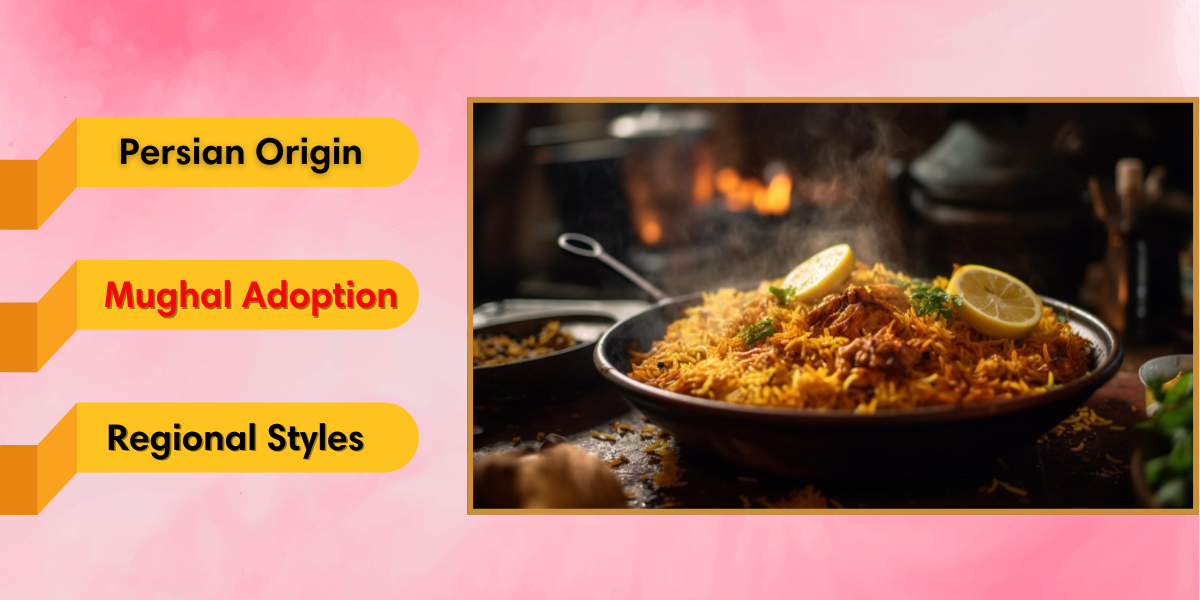
The biryani origin is a subject of much debate and has several fascinating stories surrounding it. One theory suggests that Biryani was introduced to India by Arab traders during their travels to the subcontinent. Another popular belief attributes its creation to Mughal emperors, who brought the dish from Persia and Central Asia to India. Some historical accounts also link Biryani’s origins to South India’s Nawab of Arcot, who sought to create a nutritious and flavorful meal for his soldiers. Regardless of its exact origins, Biryani facts has evolved over centuries and has become an integral part of Indian cuisine, with diverse regional variations that continue to delight taste buds worldwide.

10 Fascinating Facts About Biryani

Here are some the interesting facts about biryani;

  • Ancient Origins: Biryani history dates back over 4000 years to the ancient civilizations of Mesopotamia, where it was known as “beriyan.”
  • Persian Connection: The dish’s name “Biryani” is derived from the Persian word “biryan,” which means “fried before cooking,” referring to the cooking process.
  • Mughal Influence: Biryani information gained popularity in India during the Mughal era, with emperors and nobles enjoying elaborate versions of the dish.
  • Kolkata’s Biryani: Kolkata’s Biryani stands out with its distinct use of potatoes, believed to be an innovative addition by a chef to stretch the rice during a food shortage.
  • Thalassery Biryani: The unique Thalassery Biryani from Kerala uses the small-grain Kaima rice, giving it a rich and aromatic flavor.
  • Ambur Biryani: Ambur, a town in Tamil Nadu, is famous for its spicy and flavorful Ambur Biryani, cooked in a traditional Dum style.
  • Pakki and Kacchi Biryani: Biryani is prepared in two styles – Pakki Biryani, where the meat is cooked separately, and Kacchi Biryani, where raw marinated meat is layered with rice and cooked together.
  • UNESCO Recognition: In 2015, “Hyderabadi Biryani” was inscribed on UNESCO’s Representative List of the Intangible Cultural Heritage of Humanity.
  • Global Influence: Biryani has become a global favorite, with variations and adaptations enjoyed in countries like Pakistan, Bangladesh, Middle Eastern nations, and even among Indian diaspora communities worldwide.
  • Fusion Biryani: The dish has inspired creative fusions, like the “Sushi Biryani” in Japan and the “Quesadilla Biryani” in Mexico, showcasing its global appeal and versatility.

Check out: Top 10 Late Night Street Food Spots In Bangalore in 2025 | Location, Must-Try Dishes, Timings and Other Details


Types Of Indian Biryani

Types of Biryanis in India

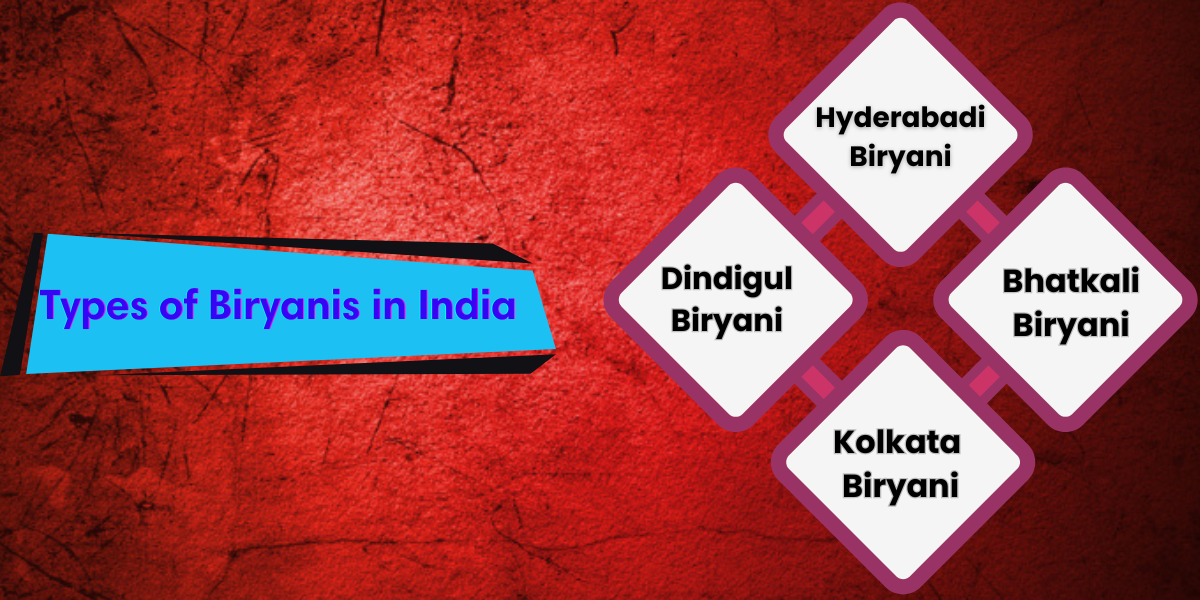
Here are some of the types of biryani

  • Kolkata’s Biryani: Kolkata’s Biryani stands out with its distinct use of potatoes, believed to be an innovative addition by a chef to stretch the rice during a food shortage.
  • Thalassery Biryani: The unique Thalassery information about Biryani from Kerala uses the small-grain Kaima rice, giving it a rich and aromatic flavor.
  • Ambur Biryani: Ambur, a town in Tamil Nadu, is famous for its spicy and flavorful Ambur Biryani, cooked in a traditional Dum style.
  • Hyderabadi Biryani: A fragrant and flavorful biryani from Hyderabad, made with basmati rice, tender meat (usually chicken or mutton), and a blend of aromatic spices.
  • Lucknowi Biryani (Awadhi Biryani): This biryani hails from Lucknow, Uttar Pradesh, known for its delicate taste and use of saffron and whole spices.

How Did Biryani Become Famous Across The Globe?

Biryani’s global fame can be attributed to its rich history and versatility. Originally a dish enjoyed by Mughal emperors, Biryani’s luxurious flavors and royal associations added to its allure. As trade routes expanded, the aromatic delicacy caught the attention of travelers, spreading its popularity to various parts of the world.

The Indian diaspora also played a crucial role in introducing biryani fun facts to different countries, carrying their culinary traditions with them. Its diverse regional variations further contributed to its fame, captivating taste buds worldwide. Today, Biryani is cherished and adapted in numerous nations, solidifying its place as one of the most celebrated and beloved rice dishes globally.

Conclusion

In conclusion, exploring the 10 Fascinating Facts About Biryani has taken us on a captivating journey through the centuries-old history, cultural influences, and regional variations of this beloved dish. From its ancient origins to its spread across the globe, Biryani’s legacy as a culinary masterpiece continues to enthrall food enthusiasts worldwide.

Its association with Mughal emperors, the evolution of unique regional styles, and the fusion adaptations showcase the sheer diversity and versatility of Biryani. For those craving a late-night restaurants feast, 24 hours restaurants bangalore, offers a flavorful way to experience this iconic dish at any hour. As we savor the delightful aroma and flavors of this iconic rice dish, we are reminded of its enduring appeal that transcends borders and cultures.

Whether you’re indulging in Kolkata’s potato-infused Biryani or savoring the Dum-cooked Hyderabadi version, Biryani has a unique story to tell with every delectable bite. Let’s celebrate the richness and complexity of Biryani, embracing its position as a symbol of culinary heritage and global gastronomic delight.

FAQs

Q 1. Are there vegetarian versions of Biryani?

Yes, there are numerous vegetarian versions of Biryani. Vegetable Biryani, Paneer Biryani, and Mushroom Biryani are some popular variations where meat is substituted with flavorful vegetables or paneer (Indian cottage cheese), making them equally delicious and satisfying.

Q2. Origin of Biryani?

Biryani’s history dates back over 4000 years to ancient civilizations, and it is believed to have originated in Persia. The dish made its way to India during the Mughal era, where it gained popularity among emperors and nobles.

Q3. What are some popular regional variations of Biryani?

Biryani has many regional variations, each with its unique flavor profile. For example, Hyderabadi Biryani is known for its spicy, aromatic layers of rice and meat, while Kolkata Biryani features the addition of potatoes. Thalassery Biryani from Kerala uses small-grain Kaima rice, and Ambur Biryani from Tamil Nadu is renowned for its fiery spiciness. Each variation reflects the local ingredients and culinary traditions.

Q4. How is Biryani traditionally cooked?

Biryani is traditionally cooked using a method called “Dum,” where the rice and meat are cooked together in a sealed pot. This slow-cooking process allows the flavors to meld and infuses the rice with the rich, aromatic spices and meat juices. The pot is often sealed with dough to ensure that the steam remains inside, creating a flavorful and moist dish.

Q5. Can Biryani be frozen or stored for later use?

Yes, Biryani can be frozen and stored for later use. To preserve its flavors and texture, it’s best to cool the Biryani completely before freezing it in airtight containers. When reheating, it’s recommended to do so gently, either in the microwave or on the stovetop, and to add a splash of water or broth to restore moisture. This way, you can enjoy Biryani even after storing it for a while.


Most Ordered Desserts by Indians in 2026 | Top Mithai & Sweet Trends

most-ordered-desserts-by-indians

Indians ordered over 178 million desserts online in 2025, with traditional sweets dominating 76% of all orders according to Swiggy and Zomato’s combined Year in Food Reports (January 2026). From classic Gulab Jamun to trending Indian fusion desserts, here’s your complete guide to the most popular desserts in India and what’s trending in 2026.

Most Ordered Dessert in India
27
Lakh Orders
Gulab Jamun was the most ordered dessert in India on Swiggy in 2022.
Source: Swiggy Report
Top Dessert During Festive Season
7.7
Million Orders
Gulab Jamun surpassed Rasgulla with over 7.7 million orders during Durga Pujo 2023.
Source: Swiggy Report
Top Dessert on Quick Delivery
1
Top Ranked
Rasmalai emerged as one of the most ordered desserts on Swiggy Bolt in 2024.
Source: Swiggy Report
Top 3 Desserts in India
4.5
Million Orders
Gulab Jamun ranked among the top 3 desserts in India with 4.5 million orders in 2025.

Top 10 Indian Desserts | Most Ordered Sweets in India (2026)

Based on aggregated data from Swiggy, Zomato, and major sweet shop chains across 500+ Indian cities, here are the most selling sweets in India

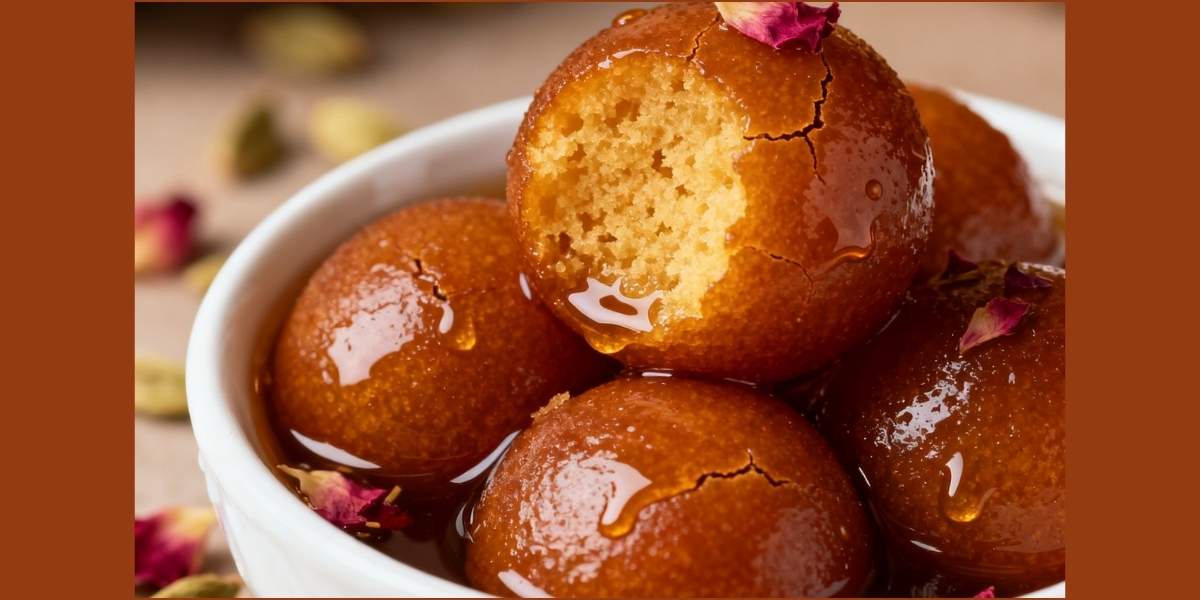
1. Gulab Jamun – 21.2 Million Orders (2025)

Gulab Jamun - 21.2 Million Orders (2025)

Q: What is the most eaten sweet in India? A: Based on delivery app trends and sweet shop sales data, Gulab Jamun consistently ranks as India’s  No-1 ordered dessert in 2025-2026

Soft milk-solid dumplings soaked in rose-flavored sugar syrup, made from khoya or milk powder and deep-fried until golden brown.

  • Average price: ₹50-100 per plate (4 pieces)
  • Calories: 165 per piece
  • Best for: Weddings, festivals, dinner parties
  • Where to order: Haldiram’s, Bikanervala, local sweet shops, Swiggy, Zomato
  • Shelf life: 3 days refrigerated
  • Popular variants: Kala Jamun, Angoori Gulab Jamun, Gulab Jamun with ice cream

Related – Momos Origin

2. Rasmalai – 14.1 Million Orders

  • Rasmalai popularity in India 2025 increased by 34% compared to 2024, making it the second most ordered dessert nationwide.
  • In 2026 continues strong with 38% growth in Q1 2026 based on current ordering trends.

Soft paneer patties soaked in sweetened, thickened milk flavored with cardamom and saffron, garnished with pistachios and almonds.

  • Average price: ₹80-150 per plate (3 pieces)
  • Calories: 280 per 100g
  • Best for: Festivals, special occasions
  • Preparation time: 45 minutes
  • Best served: Chilled
  • Top cities: Kolkata, Delhi, Mumbai

3. Choco Lava Cake – 11.6 Million Orders

The most popular dessert in India among millennials and Gen Z, representing the rise of Indian fusion desserts.

  • Average price: ₹100-180 per piece
  • Calories: 420 per serving
  • Best for: Birthdays, romantic dinners
  • Where to order: Domino’s, local bakeries, restaurants
  • Shelf life: Same day consumption

4. Rasgulla – 11.2 Million Orders

Spongy white cottage cheese balls soaked in light sugar syrup, Bengal’s iconic contribution to Indian desserts list.

  • Average price: ₹40-90 per plate (4 pieces)
  • Calories: 186 per 100g
  • Best for: All occasions
  • Shelf life: 5 days refrigerated
  • Origin: West Bengal (Odisha also claims origin)

5. Kaju Katli – 9.4 Million Orders

Diamond-shaped cashew fudge, the most gifted Indian sweet during festivals.

  • Average price: ₹500-800 per kg
  • Calories: 450 per 100g
  • Best for: Gifting, Diwali, corporate events
  • Shelf life: 10-15 days
  • Premium variant: Silver-leaf Kaju Katli (₹900-1200/kg)

6. Jalebi – 8.7 Million Orders

Crispy spiral-shaped fritters soaked in sugar syrup, one of the most popular Indian hot desserts.

  • Average price: ₹40-80 per 100g
  • Best served: Hot and fresh
  • Popular pairing: With rabri, milk, or curd
  • Peak orders: Winter months (October-February)

7. Kheer – 7.9 Million Orders

Creamy rice pudding with cardamom, almonds, and saffron, essential for easy Indian desserts for dinner parties.

  • Average price: ₹60-120 per bowl
  • Calories: 200 per serving
  • Variants: Rice kheer, vermicelli kheer, sabudana kheer
  • Best for: Festivals, home gatherings

8. Barfi – 7.3 Million Orders

Milk-based fudge available in multiple flavors (coconut, pistachio, chocolate).

  • Average price: ₹400-700 per kg
  • Popular types: Coconut barfi, milk barfi, pista barfi
  • Shelf life: 7-10 days

9. Ladoo – 6.6 Million Orders

Round sweet balls made from gram flour, coconut, or semolina with ghee and sugar.

  • Average price: ₹300-600 per kg
  • Types: Besan ladoo, coconut ladoo, boondi ladoo, motichoor ladoo
  • Best for: Religious ceremonies, festivals

10. Ice Cream Variants – 5.9 Million Orders

  • Alphonso Mango Ice Cream: 2.4M orders
  • Tender Coconut Ice Cream: 2.1M orders
  • Traditional Kulfi: 1.4M orders

Indian Sweets Names with Pictures: Complete Desserts List

Our complete Indian desserts list includes 25+ varieties categorized by region:

North India: Gulab Jamun, Jalebi, Gajar Halwa, Kheer, Rabri East India: Rasgulla, Rasmalai, Sandesh, Cham Cham, Mishti Doi South India: Mysore Pak, Payasam, Kesari, Adhirasam West India: Puran Poli, Shrikhand, Basundi, Modak

Regional Dessert Ordering Trends: Which Cities Order What?

Region Key Insights Additional Data
North India (Delhi NCR, Punjab, Haryana) Top choice: Gulab Jamun
Trending: Gajar Halwa orders up 73% in winter 2025; Price range: ₹50–150 per serving
East India (Kolkata, Bengal, Odisha) Top choice: Rasgulla
Rasmalai orders: 2.6M in West Bengal (2025); Best shops: K.C. Das, Balaram Mullick
South India (Bangalore, Chennai, Hyderabad) Top choice: Mysore Pak, Payasam
Western desserts: 45% Bangalore orders Choco Lava Cake; Fusion: Gulab Jamun Cheesecake orders up 84% in 2025
West India (Mumbai, Pune, Gujarat) Top choice: Puran Poli, Shrikhand
Innovation: Low-sugar variants now 35% of orders


Simple Indian Desserts | Quick Preparation Guide

For dessert khane wala (dessert lovers) short on time:

  • Under 15 minutes: Shrikhand, Fruit Custard, Rabri
  • 30 minutes: Kheer, Basundi, Seviyan
  • 45 minutes: Gulab Jamun (from mix), Gajar Halwa

2026 Indian Dessert Trends

These trends show Indian dessert culture is evolving rapidly while maintaining strong traditional roots. Consumers now demand healthier options, instant delivery, and regional variety alongside classic favorites. 
Here’s a detailed comparison of nutritional values, pricing, and storage information, for the top Indian desserts.

1. Indian Fusion Desserts Boom

  • Gulab Jamun Cheesecake: +72% orders in 2025
  • Rasmalai Tiramisu: Launched Q4 2025
  • Kulfi Affogato: Popular in metro cafes

2. Health-Conscious Ordering

  • Sugar-free variants: +48% in early 2026
  • Jaggery-based sweets: +41%
  • Vegan Rasmalai: Growing 52% since February 2025 launch

3. Premium Packaging for Gifting

  • Gift boxes: +39% demand
  • Corporate bulk orders: +61%
  • Designer mithai boxes: ₹800-2000 range

4. Instant Delivery Revolution

  • 15-minute dessert delivery in 18 cities (as of March 2026)
  • Dark stores for sweets: Opened in 42 locations
  • Same-day delivery: Standard across platforms

5. Regional Sweets Going National

  • Mysore Pak orders in Delhi: +94%
  • Bengali sweets in Mumbai: +78%
  • Cross-regional ordering: 51% of total orders

Comparison Table | Calories, Price & Shelf Life

Dessert Calories (100g) Price (₹) Shelf Life Best For
Gulab Jamun 387 60–100 3 days Celebrations
Rasmalai 280 100–150 2 days Festivals
Choco Lava Cake 420 120–180 Same day Birthdays
Rasgulla 186 50–90 5 days Any occasion
Kaju Katli 450 600–800/kg 10 days Gifting
Jalebi 300 60–80 Same day Breakfast
Kheer 200 80–120 2 days Dinner parties
Barfi 412 500–700/kg 7 days Festivals

Where to Order | Best Platforms for Dessert Delivery

Online Platforms

  • Swiggy: 500+ cities, 15-min delivery in select areas
  • Zomato: Same-day delivery, premium sweet shops
  • Dunzo: Quick dessert delivery in metros

Popular Sweet Shop Chains

  • Haldiram’s: Pan-India, online ordering available
  • Bikanervala: North India specialist
  • Anand Sweets: Delhi NCR premium range
  • K.C. Das: Bengali sweets nationwide delivery

Conclusion for Most Ordered Desserts by Indians

The most selling sweets in India in 2026 reflect a beautiful blend of tradition and innovation. While Gulab Jamun and Rasmalai continue to dominate as the most eaten sweets in India, the rise of Indian fusion desserts and health-conscious variants shows evolving consumer preferences.

Whether you’re ordering for a dinner party or gifting during festivals, this complete Indian desserts list helps you choose the perfect sweet for every occasion.

FAQs

What is the most popular dessert in India?

Gulab Jamun is the most popular dessert in India, with 21.2 million orders in 2025, followed by Rasmalai and Choco Lava Cake.

Which are the best sweet shops in India?

Top-rated sweet shops include Haldiram’s (nationwide), Bikanervala (North India), K.C. Das (Kolkata), Anand Sweets (Delhi), and Krishna Sweets (South India).

What are simple Indian desserts for dinner parties?

Kheer, Shrikhand, Fruit Custard, and Gulab Jamun are simple Indian desserts for dinner parties that can be prepared in under 45 minutes.

Which Indian desserts are trending in 2026?

Indian fusion desserts like Gulab Jamun Cheesecake, Rasmalai Tiramisu, and sugar-free variants are trending in 2026.


Swiggy’s Hungriest Foodie Ordered 70,000 Rupees Worth of Burgers 

pune-foodie-ordered-70000-rupees-worth-of-burgers

Diwali in India brings out all sorts of crazy stories. Well, here’s one: On the day of Diwali in 2022, a man from Bangalore ordered the biggest Swiggy order of the year, worth Rs. And the second biggest Swiggy order of the year came from Pune, worth Rs. 71,229, via a man who ordered burgers and fries for his whole team, according to Swiggy’s annual trends report, “HOW INDIA SWIGGY’D IN 2022.”

The report also highlighted the growing popularity of the Italian pasta dish ravioli and Korean bibimbap among Indians as they began to discover more international cuisines. Despite this, traditional Indian dishes such as biryani, masala dosa, butter naan, veg-fried rice, chicken-fried rice, veg-biryani, paneer butter masala, and tandoori chicken remained among the favorites of Indians.

Some Interesting Burger Facts You Might Not Have Known: 

The burger, a ground meat patty served between two slices of bread, has become a staple food item in many countries around the world. It has a rich history and has evolved over the years to become a versatile dish that can be enjoyed in many different ways. Here are some interesting facts about the burger that you may not have known:

  1. The term “burger” comes from the German word “burgerbratwurst,” which means “hamburger sausage.”
  2. The first recorded instance of a hamburger sandwich was in 1885, in a menu from Delmonico’s Restaurant in New York City.
  3. White Castle, which opened in 1921, is considered to be the first fast-food hamburger chain.
  4. In the 1940s, the term “burger” began to be used to refer to any sandwich made with a ground meat patty, regardless of whether it was made with beef or other meats.
  5. McDonald’s, the world’s largest fast-food chain, has sold over 100 billion hamburgers since its inception in 1940.
  6. The Big Mac, first introduced in 1967, is one of the most famous and well-known hamburgers in the world.
  7. The largest hamburger ever made weighed 2,014 pounds and was cooked in 2012 in Seymour, Wisconsin.
  8. In many countries, burgers are often served with a variety of toppings, such as lettuce, tomato, cheese, bacon, and various sauces.
  9. According to a study, Americans consume an average of three hamburgers per week.