Quick Answer: Pani puri is India’s most popular street food—crispy hollow puris filled with spiced potatoes, chickpeas, and tangy water. One theory traces its origin to Bihar’s Magadha region approximately 400 years ago. A serving of 6 pieces contains 200-320 calories.
What is Pani Puri?
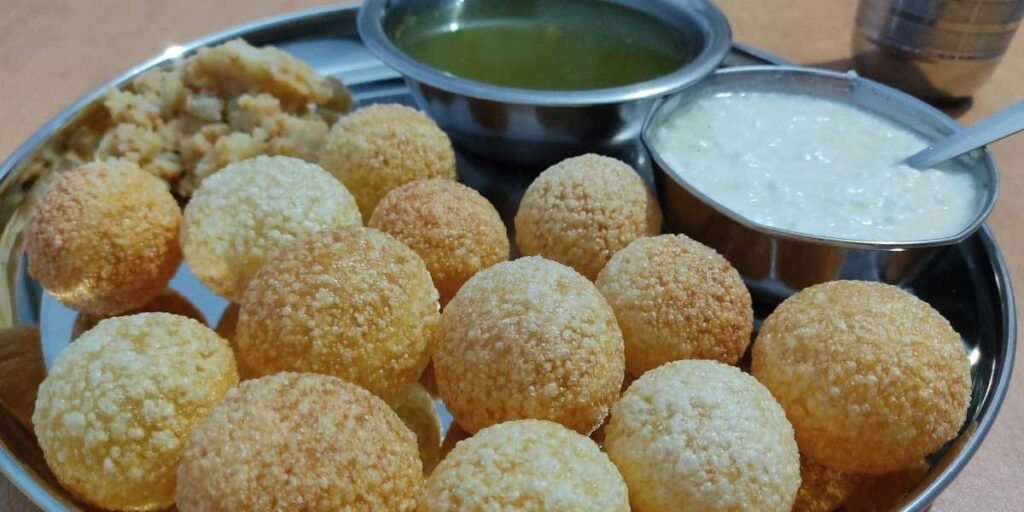
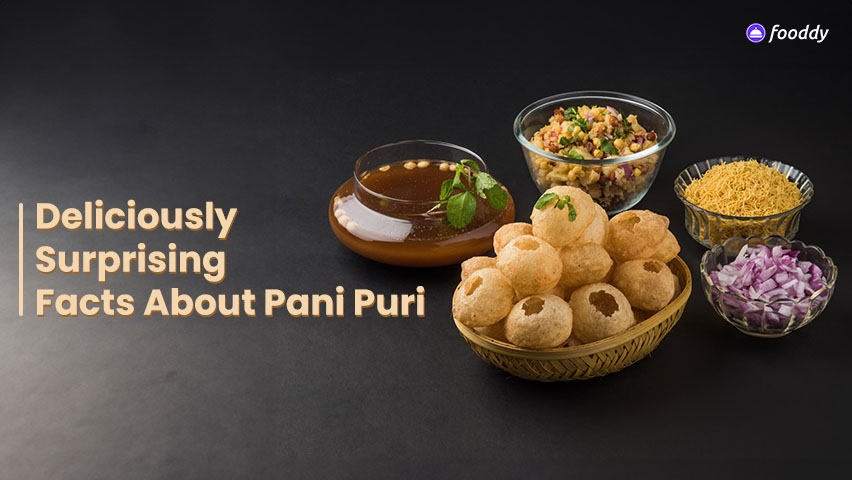
Pani puri is a beloved Indian chaat made with crispy hollow puris filled with potato, chickpeas, onions, spices, and flavored water (pani).
Pani Puri in English: “Water bread”—”pani” means water, “puri” is fried bread.
Main Components
- Puri: Crispy hollow shell (3-6 cm), made from semolina or wheat flour
- Filling: Spiced potatoes, boiled chickpeas, or moong sprouts
- Pani: Mint-coriander water (teekha) or tamarind water (meetha)
- Chutney: Sweet tamarind and spicy green chutney
The snack is eaten in one bite, delivering an explosion of sweet, tangy, and spicy flavors.
Related: Momos Origin
Pani Puri Originated From Which State?
Bihar is the most commonly cited origin. One prevalent theory links pani puri to the ancient Magadha region in present-day Bihar, where it emerged around 400 years ago. However, food historians note the exact origin is not fully documented.
Historical Background
The snack was originally called “phulki” (meaning crisp). Dr. Kurush Dalal, a culinary anthropologist, suggests it may have been an accidental miniature version of raj kachori reserved for royalty.
- The Draupadi Legend: According to the Mahabharata mythology, Draupadi invented pani puri when challenged by Kunti to feed five brothers with limited ingredients. This is a popular legend, not a verified historical fact.
- Evolution: As railways expanded in the 20th century, pani puri spread from North India to all regions, with each area adapting it to local tastes.
Regional Names | Golgappa, Puchka, and More
Pani puri has different names across India
| Region Name | Water Type | Puri Size |
| Maharashtra, Gujarat | Pani Puri – Spicy mint-coriander |
Medium (4–5 cm)
|
| Delhi, Punjab, UP | Golgappa – Sweet tamarind | Large (5–6 cm) |
| West Bengal, Bihar | Puchka – Tangy tamarind | Large, softer |
| Odisha, Jharkhand | Gup Chup – Sweet-sour | Small (3–4 cm) |
| Gujarat, Rajasthan | Pakodi – Spicy with yogurt | Medium |
Golgappa vs Pani Puri | Key Differences
Quick Answer: Same dish, different regional names and styles.
| Aspect | Golgappa (North India) | Pani Puri (West/South India) |
|---|---|---|
| Water | Sweeter, tamarind-forward | Spicier, mint-based |
| Size | Larger (5-6 cm) | Medium (4-5 cm) |
| Regions | Delhi, Punjab, UP | Mumbai, Gujarat, Karnataka |
10 Surprising Facts About Pani Puri
- Added to Oxford English Dictionary on March 10, 2005
- Known by 15+ different names across India
- World record: 51 flavors served in Indore on July 12, 2015 by Chef Neha Shah
- Google celebrated with interactive Doodle on July 12, 2023
- July 12 is Pani Puri Day in India
- Hyderabad had 100+ vendors in one area (2025)
- Modern variations include vodka-infused, chocolate, and cheese-filled versions
- Must be eaten in one bite—multiple bites are improper
- Called “India’s fastest snack”—eaten in seconds
- Popular in street food trucks globally (London, New York, Dubai)
Nutritional Information
- Per Single Pani Puri: 25-51 calories
- Per Serving (6 pieces): 200-320 calories
| Nutrient | Amount (6 puris) | % Daily Value |
|---|---|---|
| Calories | 200-320 kcal | 10-16% |
| Carbohydrates | 35-45 g | 12-15% |
| Protein | 4-6 g | 8-12% |
| Fat | 8-12 g | 12-18% |
| Fiber | 2-3 g | 8-12% |
Health Benefits (Moderate Consumption)
- Digestive support from cumin, mint, coriander
- Hydration from flavored water
- Antioxidants from tamarind (vitamin C)
- Protein from chickpeas
- Fiber for digestive health
Healthier Options: Baked puris reduce calories by 35-40%.
Pani Puri Recipe
Prep Time: 30 min | Cook Time: 20 min | Serves: 4
Ingredients
- 1 cup semolina, 2 tbsp flour, 1/4 tsp baking soda
- 4 boiled potatoes (mashed), 1 cup chickpeas
- 2 cups mint leaves, 1 cup coriander, 2-3 green chilies
- 1 cup tamarind pulp, 1/2 cup jaggery
- Spices: cumin, black salt, chaat masala
Steps
- Mix semolina, flour, baking soda; knead stiff dough; rest 15 min
- Roll thin, cut circles (3-4 cm), deep fry until puffed and golden
- Blend mint, coriander, chilies with water; add spices, chill
- Mix mashed potatoes, chickpeas, spices for filling
- Make hole in puri, fill with mixture, dip in pani, eat immediately
World Record & Cultural Recognition
- July 12, 2015: Chef Neha Deepak Shah (MasterChef India runner-up) set a world record in Indore by serving 51 different flavors of pani puri. Organized by Indori Zayka restaurant and Dainik Bhaskar newspaper.
- Recognition: Golden Book of World Records, Limca Book of World Records
- Google Doodle (July 12, 2023): Interactive game celebrating pani puri, introducing the snack to global audiences.
Conclusion for Pani Puri facts
Pani puri represents India’s rich street food culture, evolving from Bihar’s Magadha region to a global phenomenon. Whether called golgappa, puchka, or pani puri, this crispy water-filled snack continues to delight millions with its perfect burst of flavors.
From the 2015 world record of 51 flavors to modern fusion variations, pani puri remains an irresistible treat enjoyed across generations and borders.
FAQs
“Water bread”—”pani” means water, “puri” is fried bread. Also called crispy water-filled balls.
Bihar is most commonly cited (Magadha region), but exact origin is debated among historians.
No confirmed inventor. The Draupadi story is a legend, not verified fact. It evolved through street food traditions.
Same dish, different names. Golgappa (North India) uses sweeter water and larger puris; pani puri (West/South) uses spicier mint water and medium puris.
Contains nutritious ingredients but is fried. Acceptable in moderation (4-6 pieces occasionally). Not a health food due to calories and sodium.